Three Plus Studio projects at Urbanity 2026, and the conversations that followed.

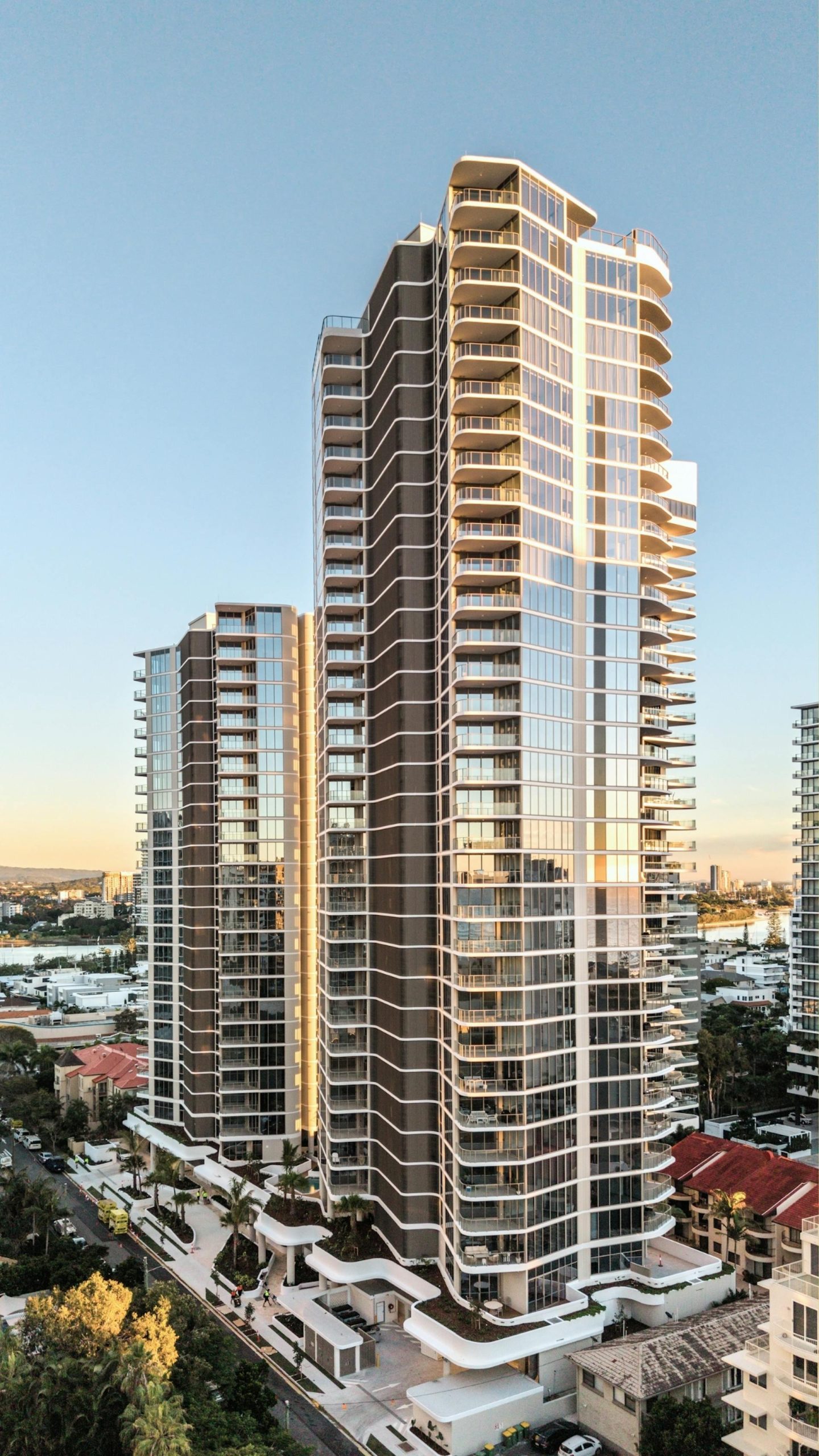
Three Plus Studio projects. Three different clients. One site tour, in front of a room of the industry’s own decision-makers. That’s not a coincidence a studio gets to have twice.
Urbanity-26’s Luxury Residential tour took delegates through Lagoon by Drew Group, Lily by Mosaic, and Prominence by MAYD, three projects built for three clients with three different reasons for building on the Gold Coast right now. The tour ran as one stream inside a wider set of site visits Urbanity built around a single premise for 2026: this city has moved from a tourism-led market into a mature residential and lifestyle destination, and the projects proving it are worth walking through in person, not just presenting on a slide. The true highlight of the tour was seeing the finished buildings brought to life by the people living in them, a rare and rewarding moment for an architect.
Beyond that, the tour reinforced the role the architect plays in driving construction quality from concept through execution. Across all three projects, despite their differing scales and typologies, the focus stayed on translating architectural intent into uncompromised build quality. Whether a boutique footprint or a larger development, that level of design oversight is what makes sure every detail adds up to a functional finished environment.
That tour was one morning. The three days around it were where the bigger conversation happened.
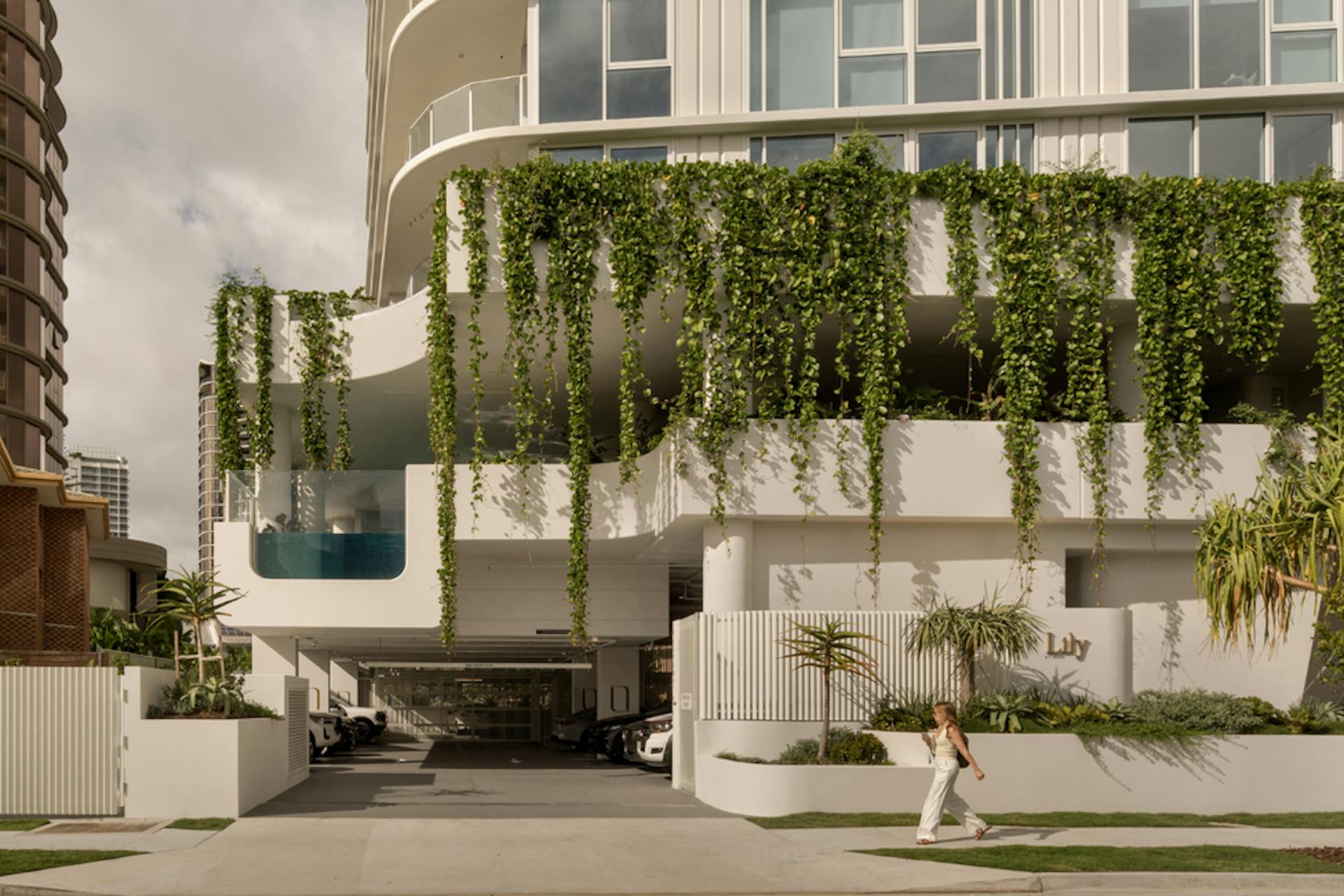
Jon Drew, the developer behind Lagoon, sat on this panel alongside Palm Valley Gold Coast’s Luke Altshwager, Durack’s Bianca Durack, and Lewis Land’s Michael Long, unpacking the city’s shift from a holiday strip to somewhere people build a life. Jon Drew’s presentation underscored that shift in the regional landscape: the Gold Coast is no longer defined merely by holiday accommodation, but by sophisticated, lifestyle-driven residential communities.
For Plus Studio, that reinforces the relationship between developer vision and architectural intent.
Delivering projects of the calibre of Lagoon means translating macro market shifts into considered, human-scale design. As architects, the responsibility extends beyond aesthetic impact: upholding construction quality, spatial efficiency, and materiality that stand up to the demands of everyday, long-term occupancy.
Drew Group’s focus on execution and community legacy is why architectural oversight matters. When strong developer vision aligns with rigorous design, the result isn’t just another addition to the skyline, but a lasting contribution to the Gold Coast’s maturing urban fabric.
“Walking our projects with industry peers showed how far the Gold Coast has come. It’s no longer about holiday high-rises, it’s about delivering enduring, highly detailed architecture that elevates everyday life.”
AILA’s Glen Power, Cadre’s Chris Tyas, Retail Strategy Group’s Angela Bonnefin and JD Property Group’s Jason Dunn discussed what actually makes a precinct attract people and keep them there, rather than just look good in a render. Glen Power made a compelling case that green infrastructure and walkable connectivity are what actually bring a precinct to life long after the render is produced. Plus Studio would push that further: a human-led precinct only succeeds when private developments actively contribute to the public realm. Our focus is ensuring building envelopes don’t just edge onto streetscapes, but feed and sustain the green networks and community spaces around them.
QUT Centre for Robotics’ Professor Michael Milford opened day two on how automation and AI will change the way cities function, and what that means for the people designing them. His insights on AI and robotics point to a shift worth taking seriously: buildings now need to be designed to work with autonomous systems and smart infrastructure, not around them. For Plus Studio, that means designing for spatial agility, laying out buildings so they stay flexible, intelligent, and human-centric as the technology around them keeps moving.
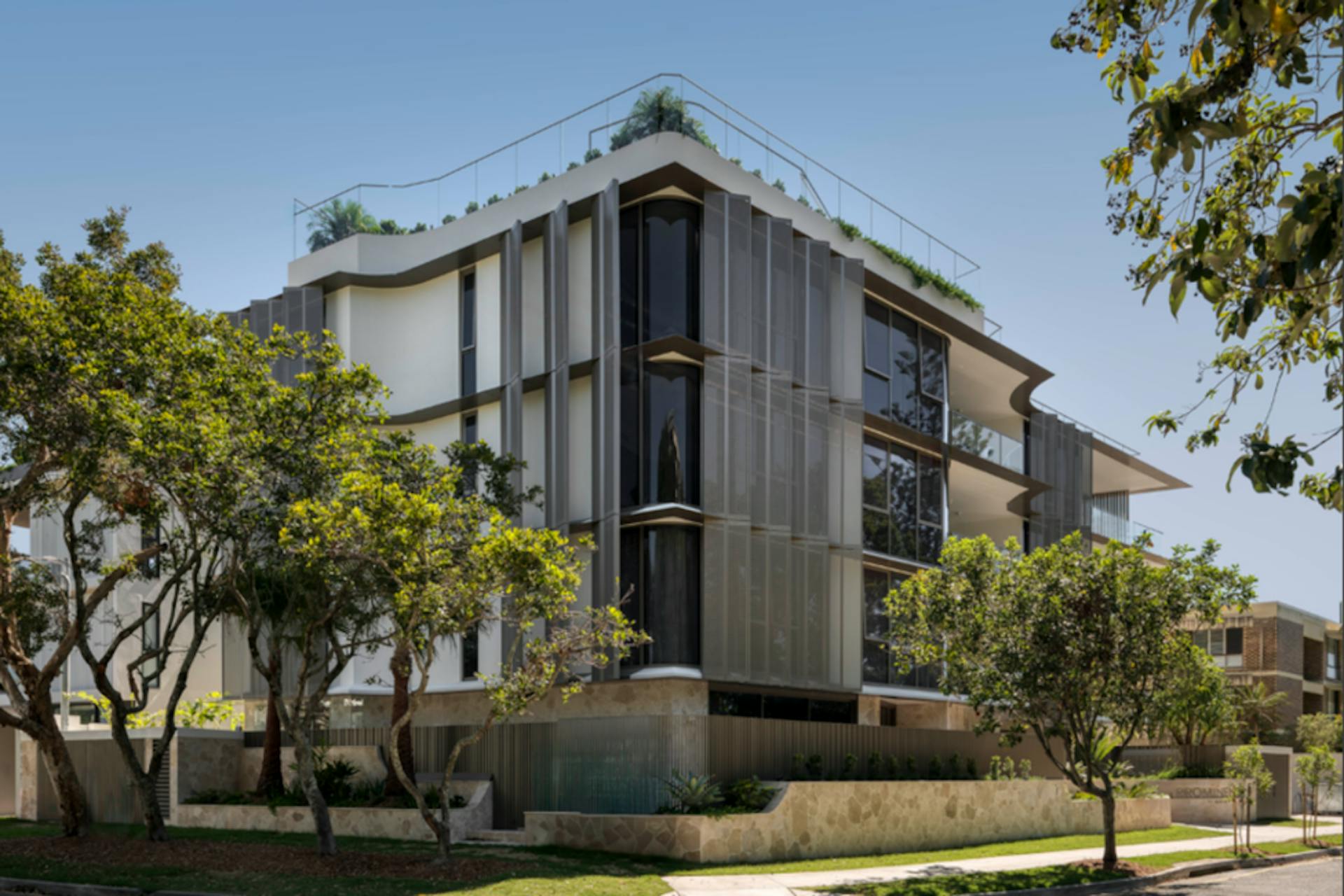
The common thread running through market maturity, precinct design and emerging tech comes down to this: high-density living has to be as spatially intelligent as it is built to last. A maturing Gold Coast needs projects that perform operationally without losing their human scale. At Plus Studio, that means delivering uncompromised design quality now, while making sure our buildings can adapt to whatever comes next.
Three developers backed three different ideas on the same stretch of coast this year. All three landed. Seeing those projects come to life at Urbanity reinforced that design rigour and market vision have to work together. For Plus Studio, the next move is to keep pushing those standards: delivering highly crafted, future-ready residential environments that set the benchmark for Australia’s maturing urban landscapes.