What London and Amsterdam Taught Us About the Future of Student Living

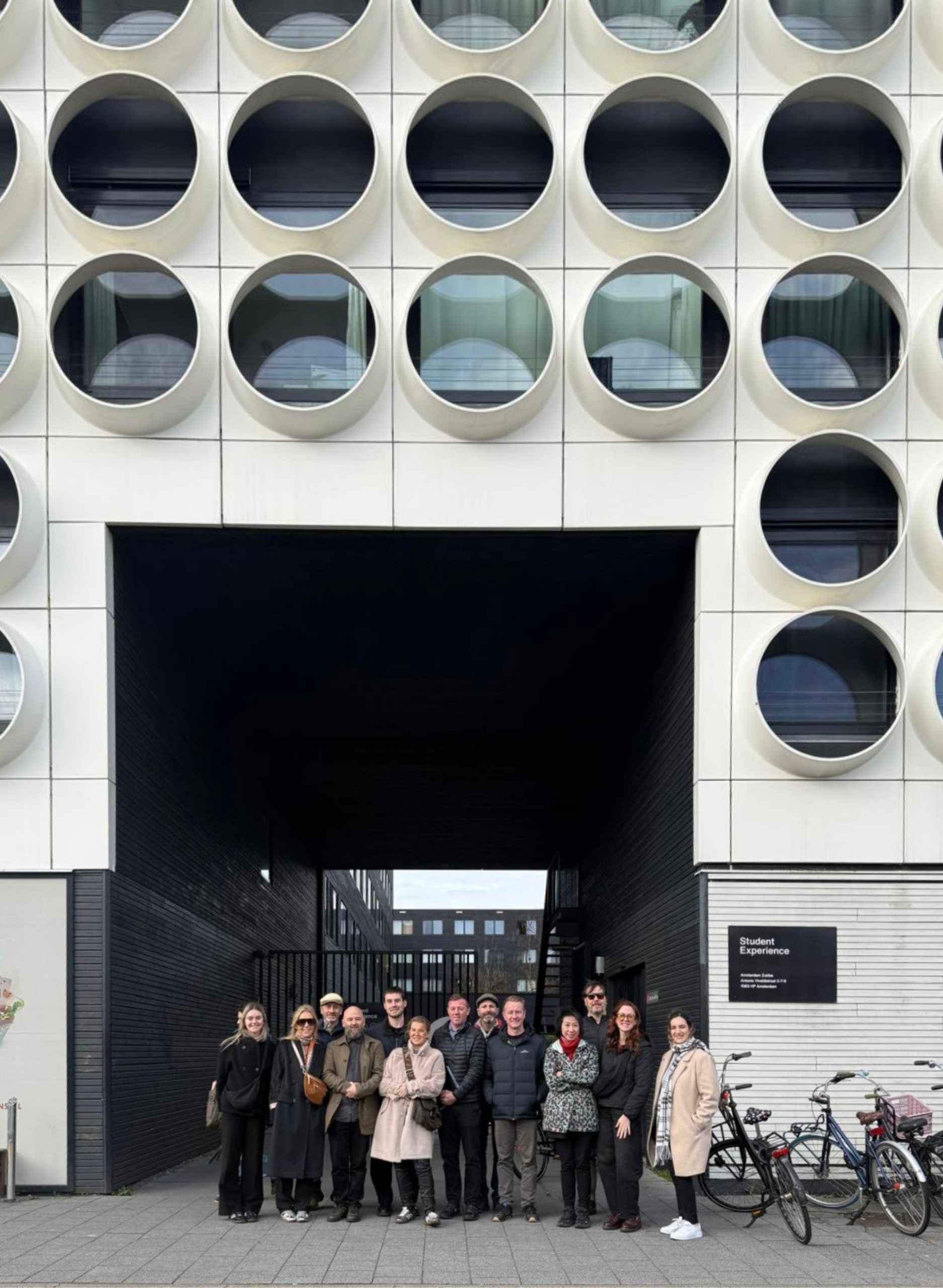
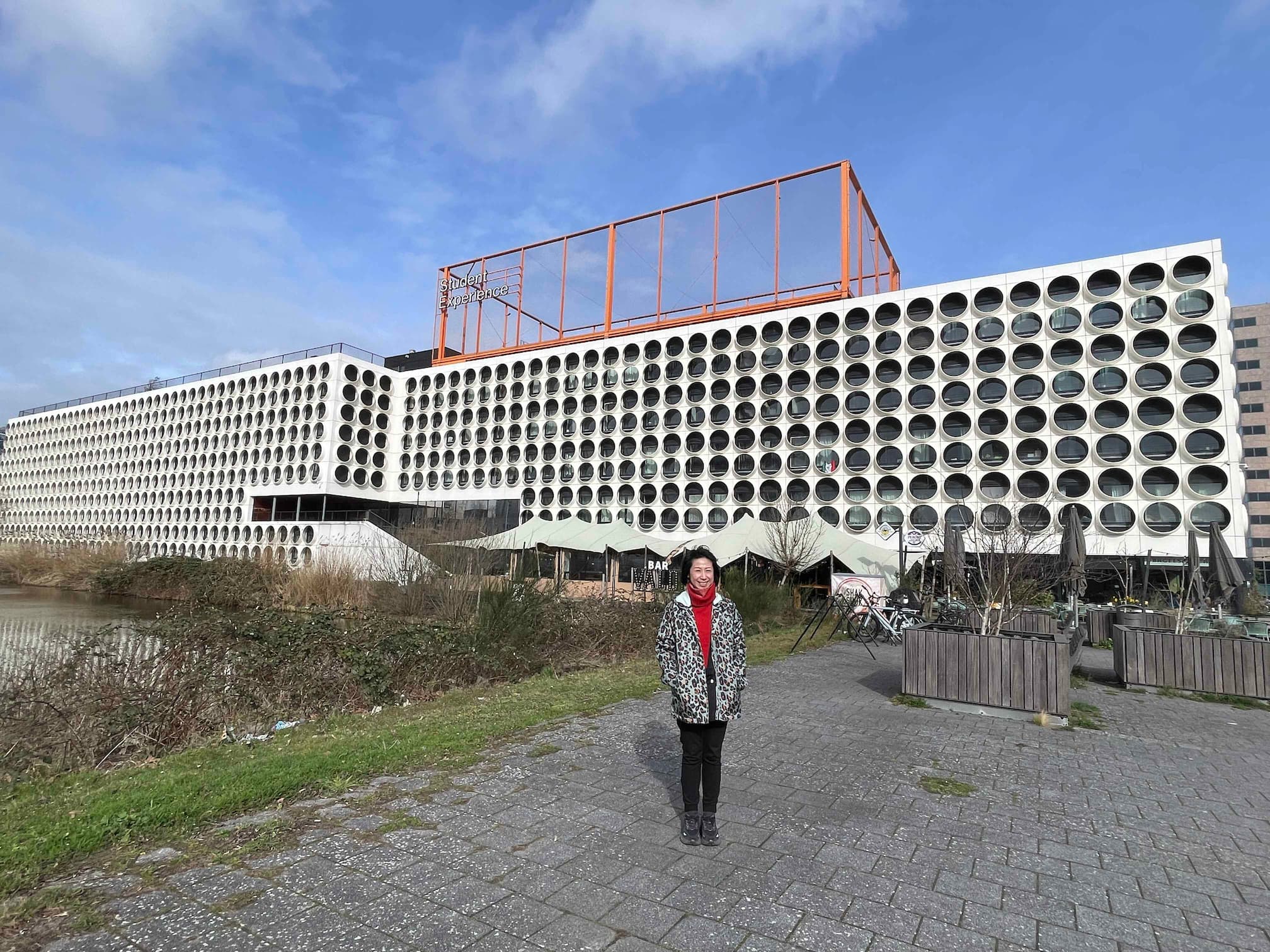
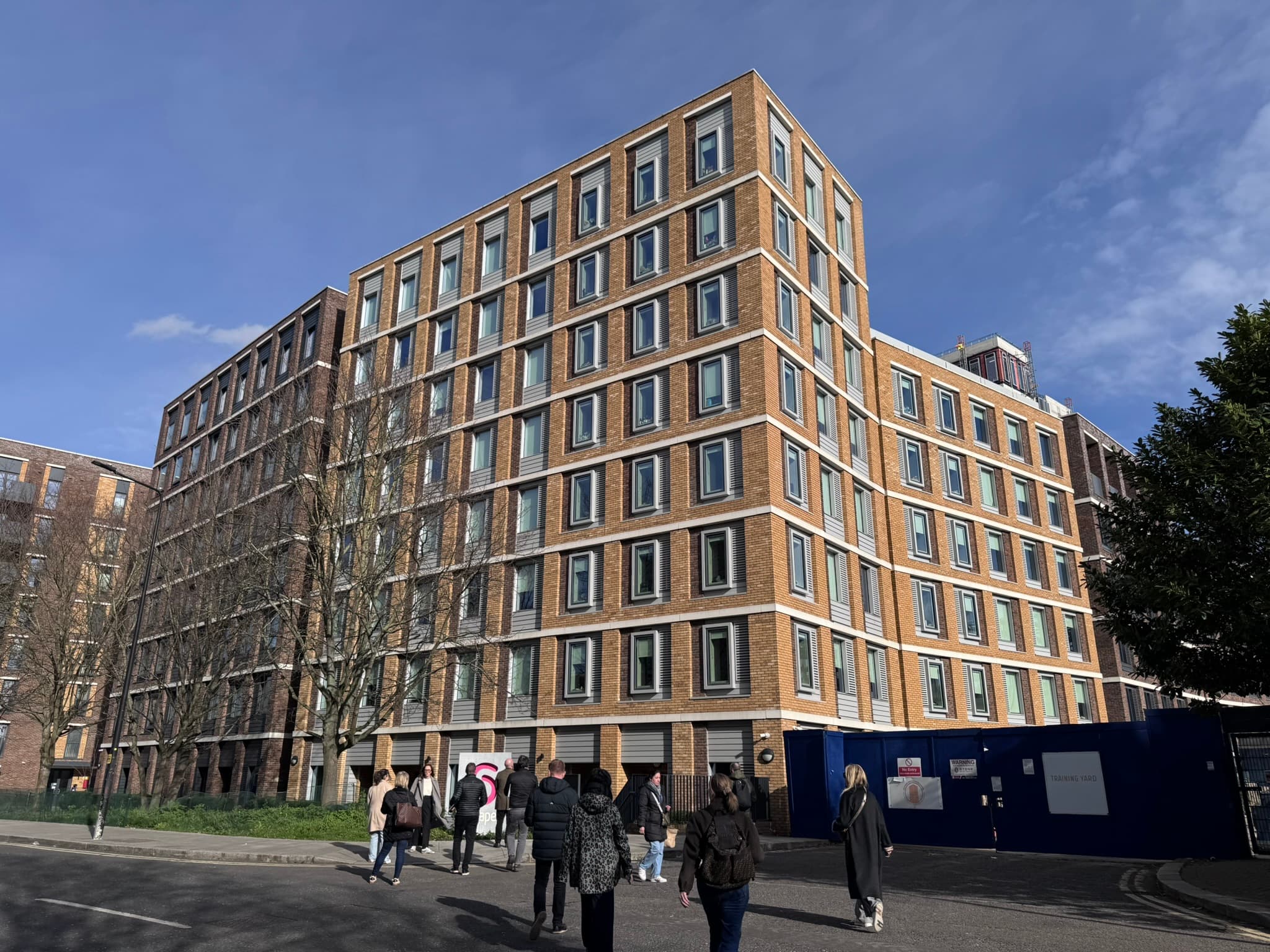
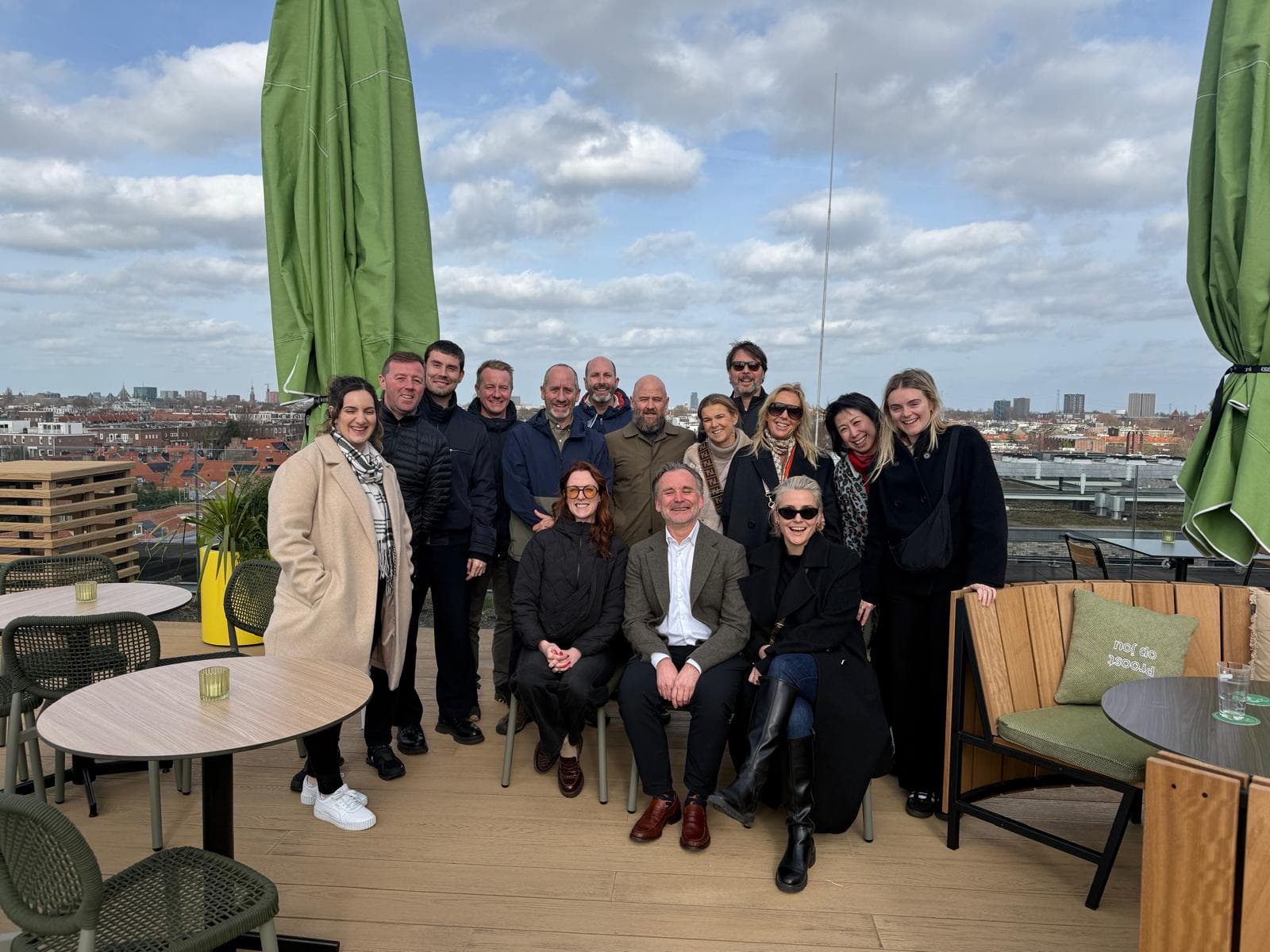
Earlier this month, I joined the Property Council of Australia’s PBSA International Study Tour to London and Amsterdam. Six days, two cities, fourteen developments, and full days stretching to fourteen hours. The program moved through market briefings on UK and European policy frameworks, sessions on global capital flows and emerging investment models, and an honest look at the planning and regulatory challenges shaping both markets. Then the sites themselves: from large-scale institutional developments in Zone 1 London to affordable, ESG-focused student housing embedded in an Amsterdam innovation precinct.
Here’s what stayed with me:
One of the most valuable parts of the program was hearing directly from global investors on what they’re seeing across major markets. The message was consistent: PBSA continues to attract serious institutional capital, underpinned by resilient demand, international student mobility and the sector’s growing maturity as a real estate asset class.
But the capital flowing into this sector now is more discerning than it was a decade ago. Investors are looking closely at planning risk, rental regulation and the policy environments that shape long-term returns. The contrast between the UK and Dutch markets was instructive. London’s PBSA sector has thrived under relatively market-led conditions, producing high-amenity, institutionally scaled developments with strong yield profiles. The Netherlands tells a different story: more interventionist government policy on affordability and rent controls has produced lower rents, leaner amenity provision and operating models built around cost efficiency rather than premium experience.
Neither approach is wrong. Both are responding to the forces around them. But understanding how policy settings shape outcomes is essential for anyone thinking seriously about where and how to invest in this sector, including across the Australasian market, where that regulatory conversation is very much still being written.
Spend time in these buildings and it becomes clear that the student arriving today has fundamentally different expectations to the student of ten years ago. More internationally mobile, more socially conscious, and far more attuned to the quality of their living environment. They are also more discerning about community. A bed in a well-located building is no longer enough.
What the best operators across London and Amsterdam have understood is that the modern PBSA customer is choosing a social environment, not just a room. The amenity offer, the programming, the ease of connection with other residents, the relationship between the building and its surrounding neighbourhood: all of it shapes whether a student feels they’ve made the right choice. Occupancy data bears this out. The developments running at or near 100% across our tour were invariably the ones that had thought hardest about the experience of daily life, not just the specification of the room. It is a lesson with direct relevance for the APAC region, where student expectations are being shaped by an increasingly global experience of higher education.
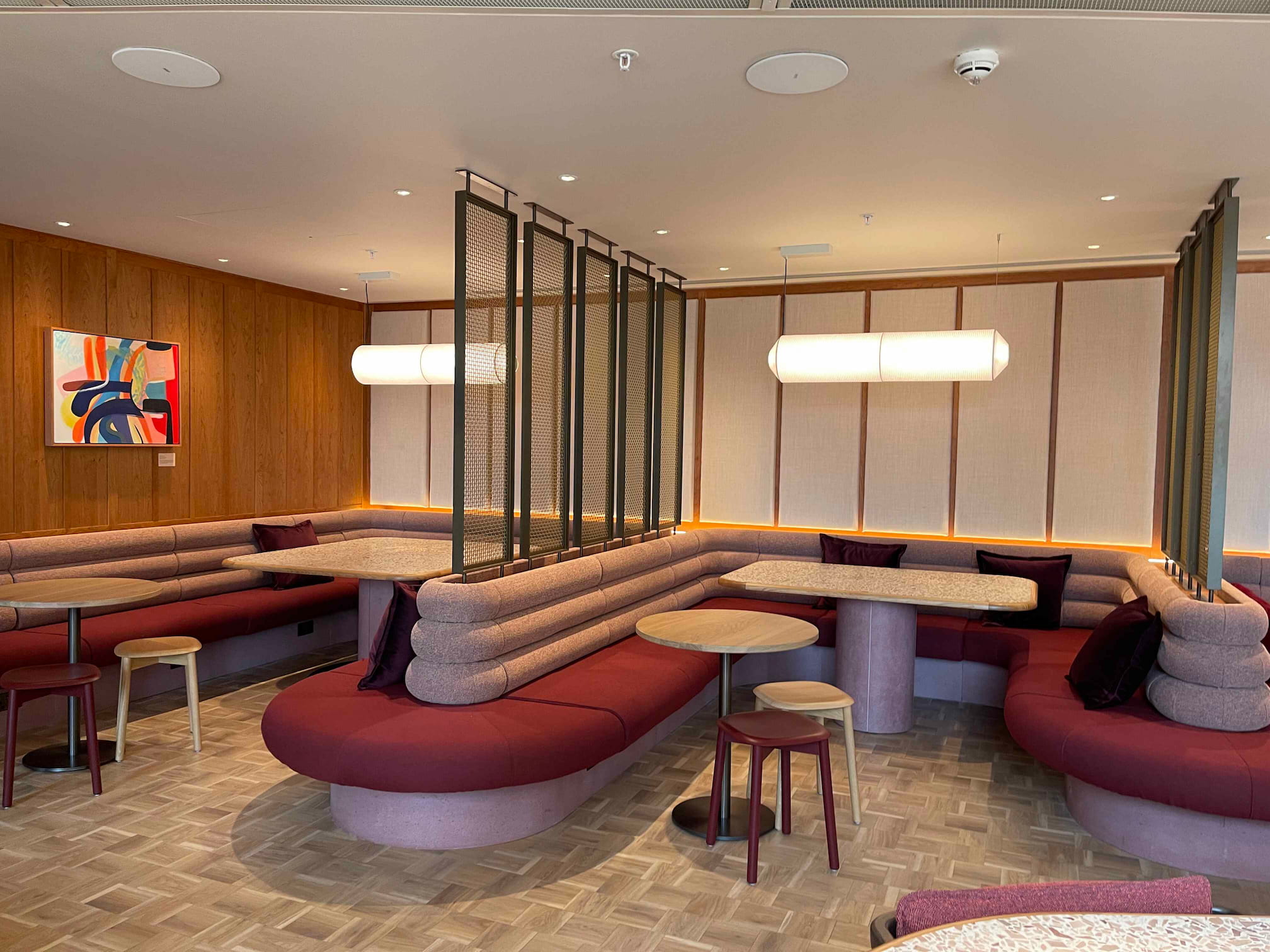
The most striking shift visible across both markets is how far PBSA has evolved beyond its original brief. The developments we visited weren’t competing on beds. They were competing on experience, and the most forward-thinking operators have effectively turned innovative operational strategy into a form of social governance.
At Hotel Casa in Amsterdam, students have lived alongside hotel guests since 1957. What began as a practical co-existence is now a deliberate model, generating revenue through hotel operations while sustaining student accommodation and creating a richer social environment through the mix. At The Social Hub, the boundary between student housing, co-working, conference facilities and hospitality has been dissolved entirely. Residents share their building with young professionals, travellers and remote workers, with an amenity offer spanning café, gym, co-working and events programming designed for all of them.
These are mature operational models with proven track records. They point toward something the Australasian market is only beginning to explore.
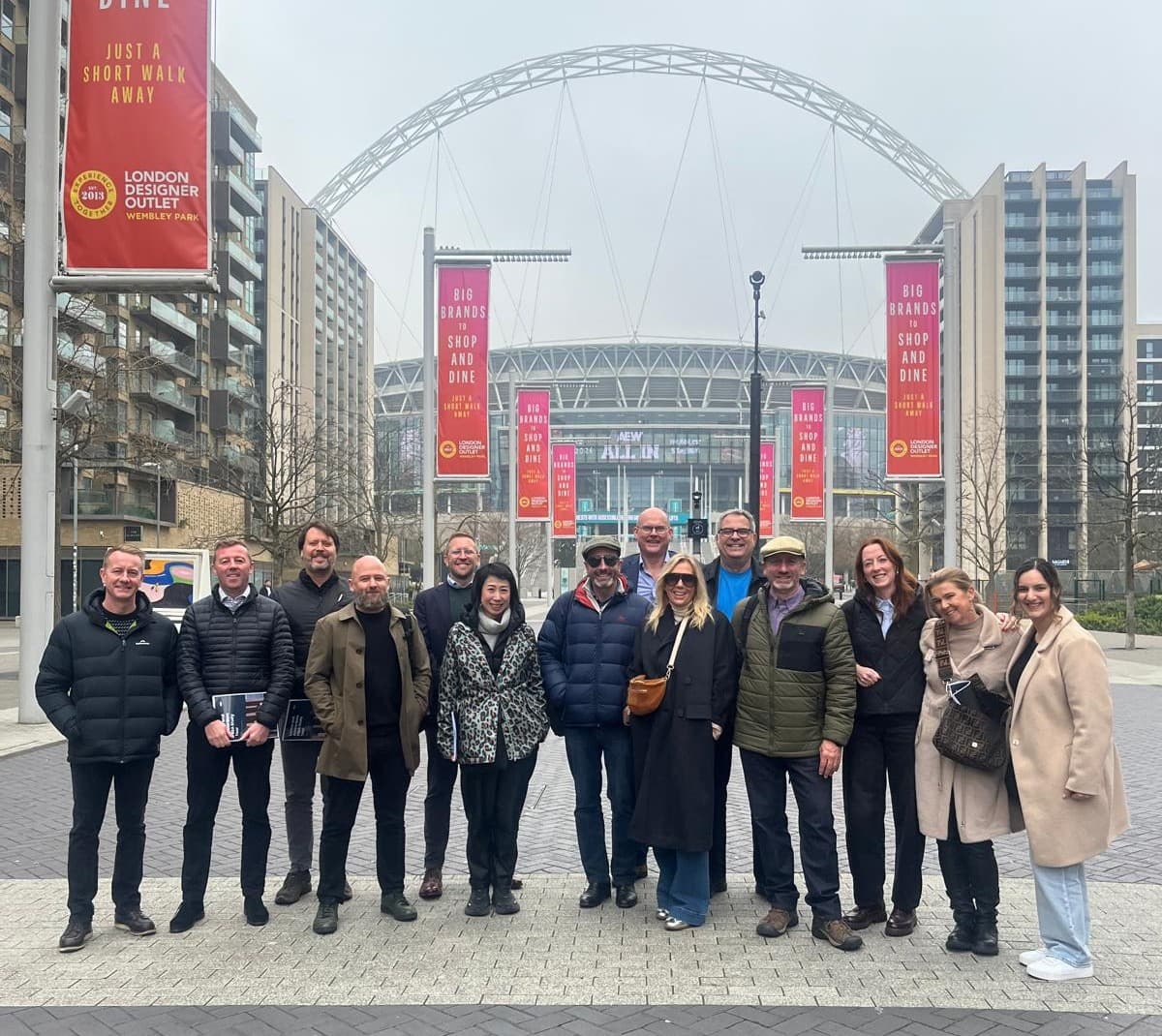
Two conversations from the tour keep coming back to me.
The first is what I’d call “back to the future” construction thinking. Modular approaches taken to a more radical conclusion: buildings conceived not for permanence but for evolution. In the Netherlands, where land is leased rather than purchased outright, the ability to dismantle and relocate a building entirely is a practical response to real circumstances. But the principle translates. Designing for adaptability, building in the structural capacity to add height or density as planning settings change, is something the Australasian market could be thinking about now. Many existing developments already incorporate that add-on capacity where structure allows. The question is whether we start designing for it intentionally from the outset.
The second is environmental strategy at a systems level. Urbanest Battersea, the eighth largest Passivhaus-certified PBSA building in the world and the largest in the UK, demonstrated that high-performance environmental design and high-density student living are entirely compatible. The Amsterdam sites pushed this further, with heat exchange ecosystems working across different building typologies, including data centres, on the same university precinct. What struck me was how organically this had come together, less a grand plan than a practical response to what was already there.
What truly elevated the experience were the conversations with fellow participants spanning every layer of the sector, from macro investment strategy to the finer details of daily operations. The exchange of ideas was constant, thought-provoking and, at times, limitless. Experiencing these projects firsthand, seeing, hearing and engaging on the ground, added a depth that simply can’t be replicated.
I came back with a clearer sense of where PBSA across Australia and New Zealand is heading and a deeper appreciation for how much the design of a building shapes a student’s experience of belonging, wellbeing and daily life. Buildings that function as communities. Sustainability embedded in structure. Design that genuinely responds to how students live now.
That is exactly the kind of work Plus Studio is built for, and the direction this sector is moving feels like home territory.Sincere thanks to the Property Council of Australia for a brilliantly curated and flawlessly executed program. To my fellow delegates, it was a genuine pleasure. If you’re a PBSA developer, investor or operator across the Australasian region exploring new ideas, partnerships or opportunities in this space, I’d welcome the conversation.