Investment in Detail

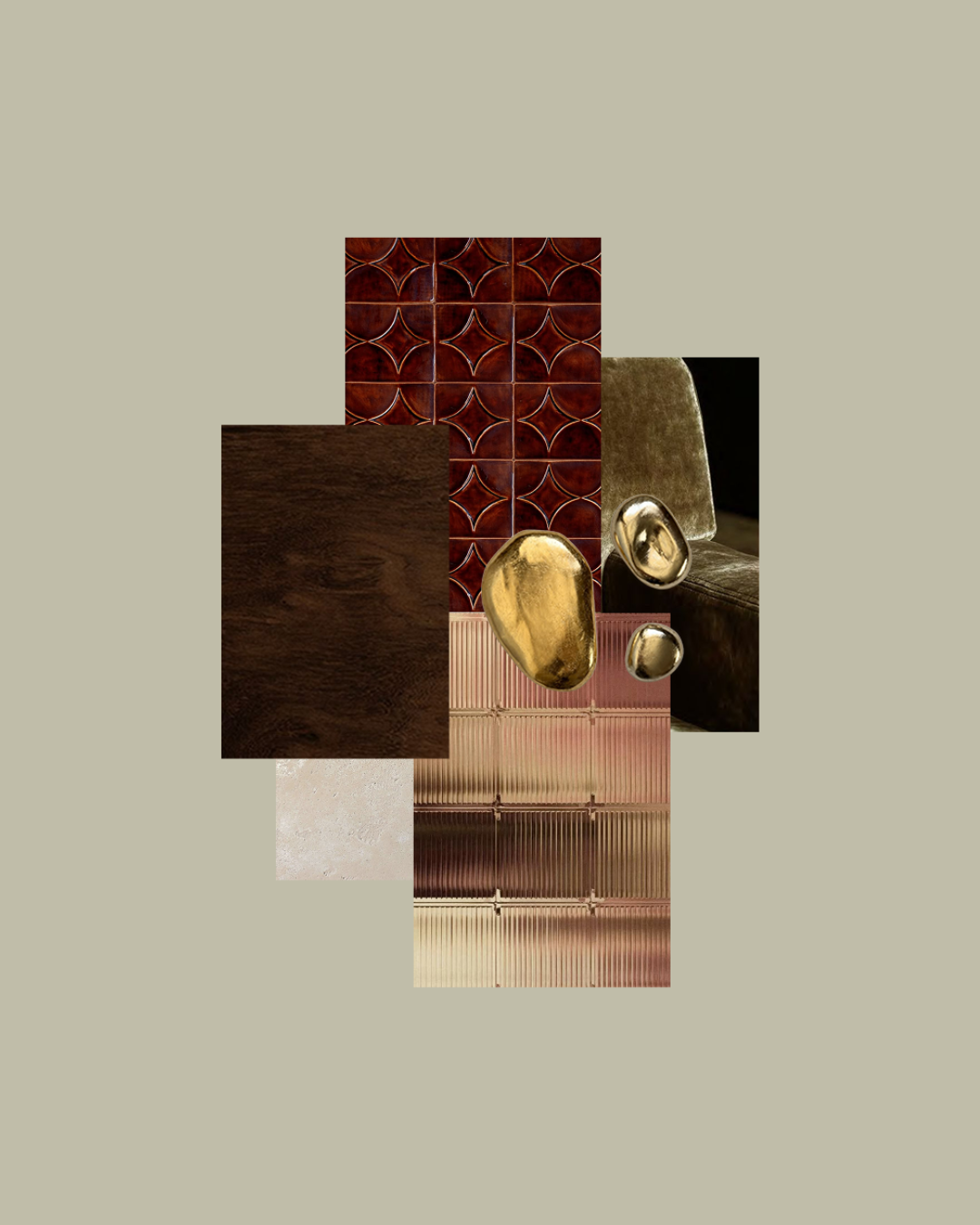
The design decisions that matter most are often the ones you feel before you notice them.
You walk in off a busy street and something slows you down. Nobody asked you to. The ceiling drops, the light softens and the noise stays outside. You take a breath, and you are already somewhere else.
That moment is a detail. It is also one of the first things to go when a budget tightens.
“A moment that belongs to one building is far harder to replicate.”
In design development, cost and programme press hardest on exactly these places. An entry sequence becomes a lobby. A joinery junction becomes a standard profile. Each change looks small and sensible on its own. Together, they remove the reason someone would remember the building.
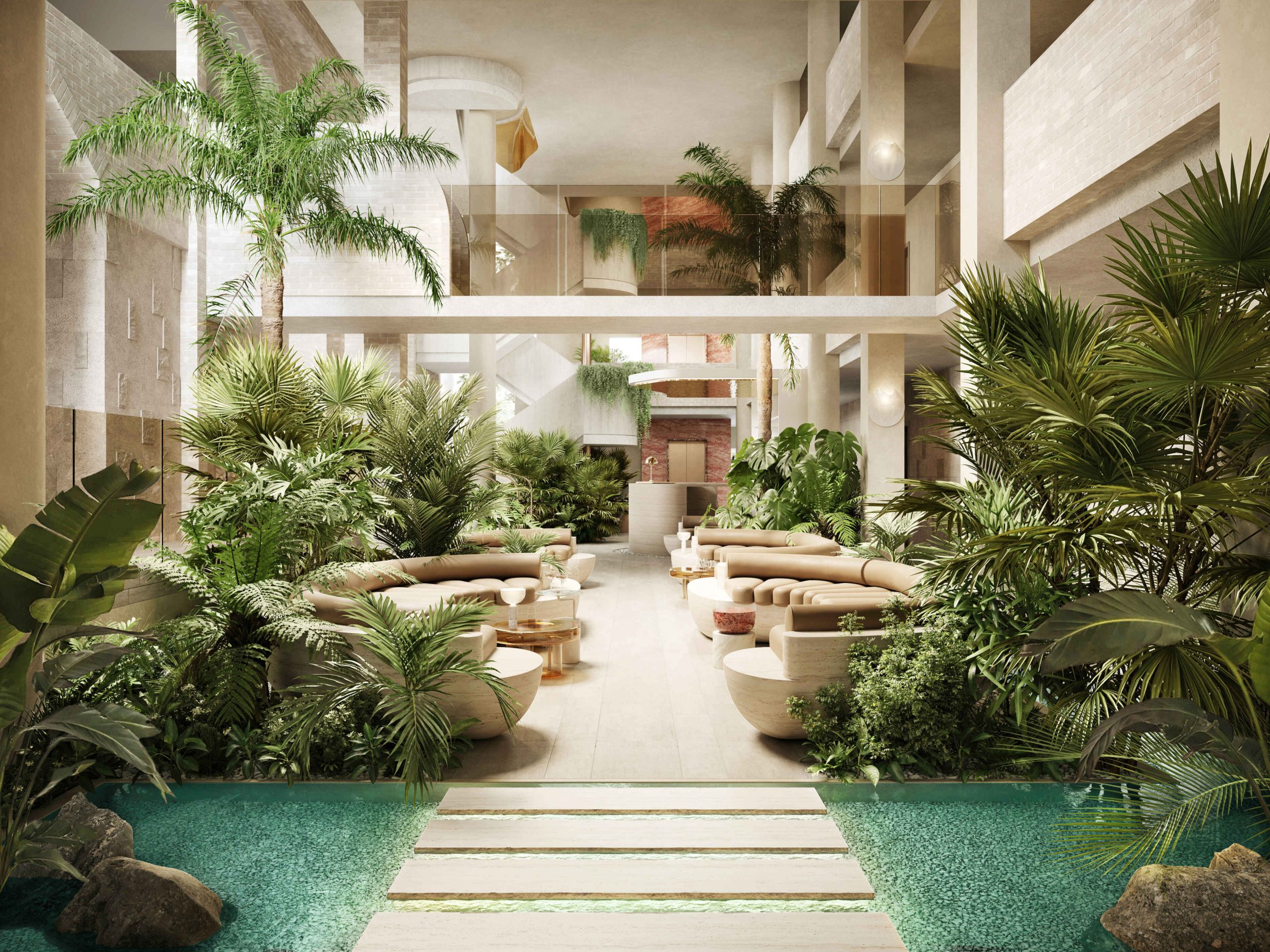
There is pressure from the other direction too. The language of luxury is easy to copy, and the same pale stone and polished finishes now turn up at every price point. A moment that belongs to one building is far harder to replicate. For the people who invest in a project, that is where much of its identity, and its value, lives.
We tend to talk about detail as what a space is made from: the stone, the joinery, the junction. Those choices matter. Looked at another way, their worth shows up in what they do to the person moving through. A detail can slow someone down, change the atmosphere, make an object satisfying to hold or give a place an identity that would feel wrong anywhere else.
An entry shows this best. On a project I am working on now, the entry sits between a busy arrival and a much quieter interior. I think of it as a threshold moment. It’s a pause moment, a chance for people to slow down before they move into the space. The experience lives in that transition, and in the relationships between the elements that create it.
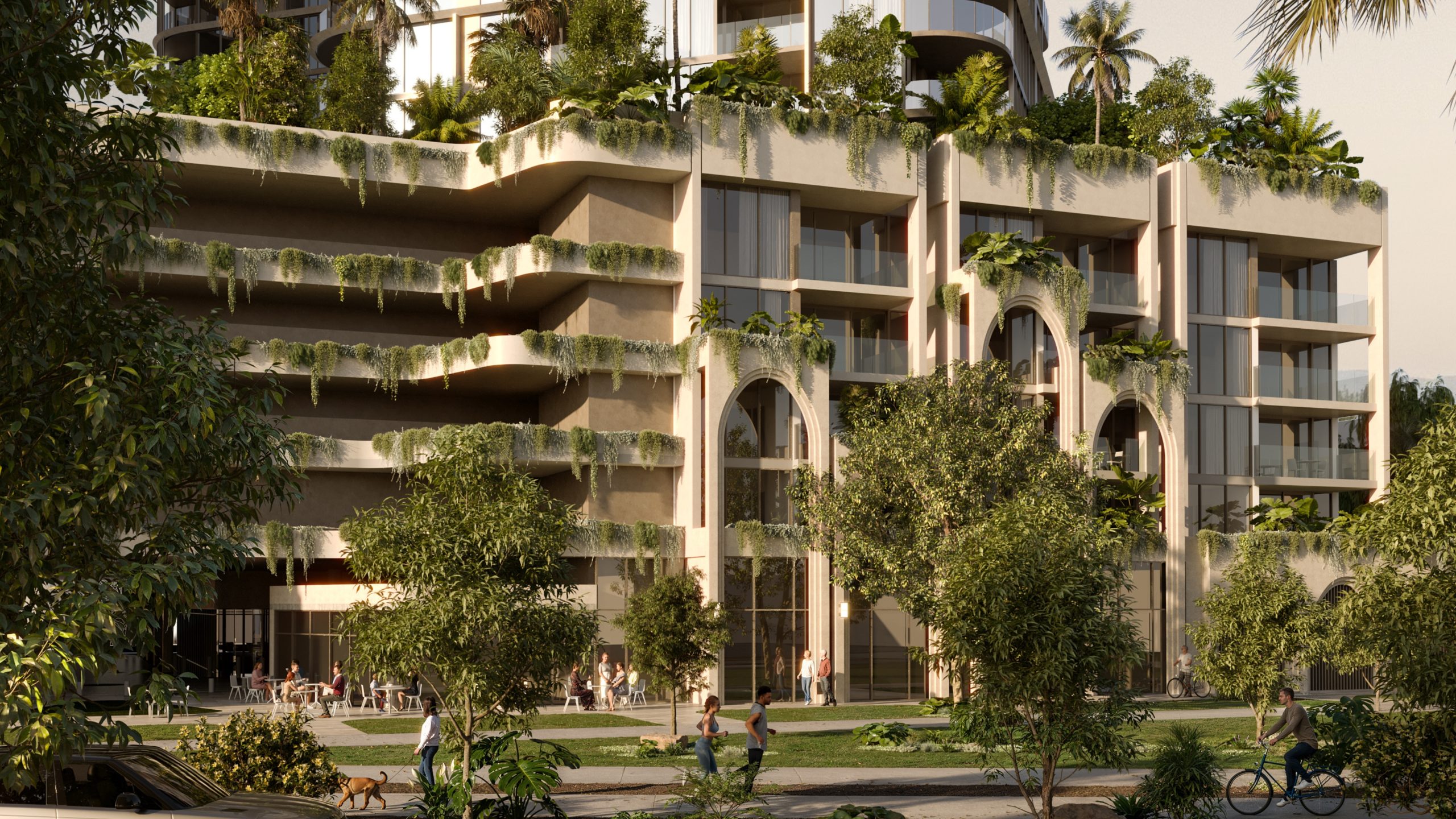
A spa entrance works the same way at a different pitch. A more intimate threshold creates a sense of retreat well before someone reaches the rooms beyond. Arrival becomes part of the experience rather than the route to it.
The same thinking works at hand scale. The shape of a handle, the edge of a bench, the place where two materials meet. People touch these things every day. They rarely make the photograph, and they decide whether a building feels right to use.
“Each change looks small and sensible on its own. Together, they remove the reason someone would remember the building.”
If these moments are the first to go, the answer is to make them harder to remove. A threshold added as a finish can be removed as a saving. A threshold that carries the idea of the project, present in the plan, the proportion and the way you move through it, takes the concept with it when it goes.
That changes the questions I ask at the start. Where does a person arrive? Where should the pace of the building change? What will they touch every day? Where should the architecture offer intimacy, surprise or stillness? The answers set the hierarchy, and the budget follows. A few well-judged moments can carry the identity of a whole project, and every other surface can afford to be quieter for it.
None of this needs ornament. A restrained interior can feel highly specific when every junction and transition has been resolved. A colourful, expressive one can feel generic when its pieces were chosen because they were in fashion. The test is whether each decision belongs to that project.
When a budget review lands on the entry, the useful question is what the person walking in would stop feeling.