Designing for Rental-First

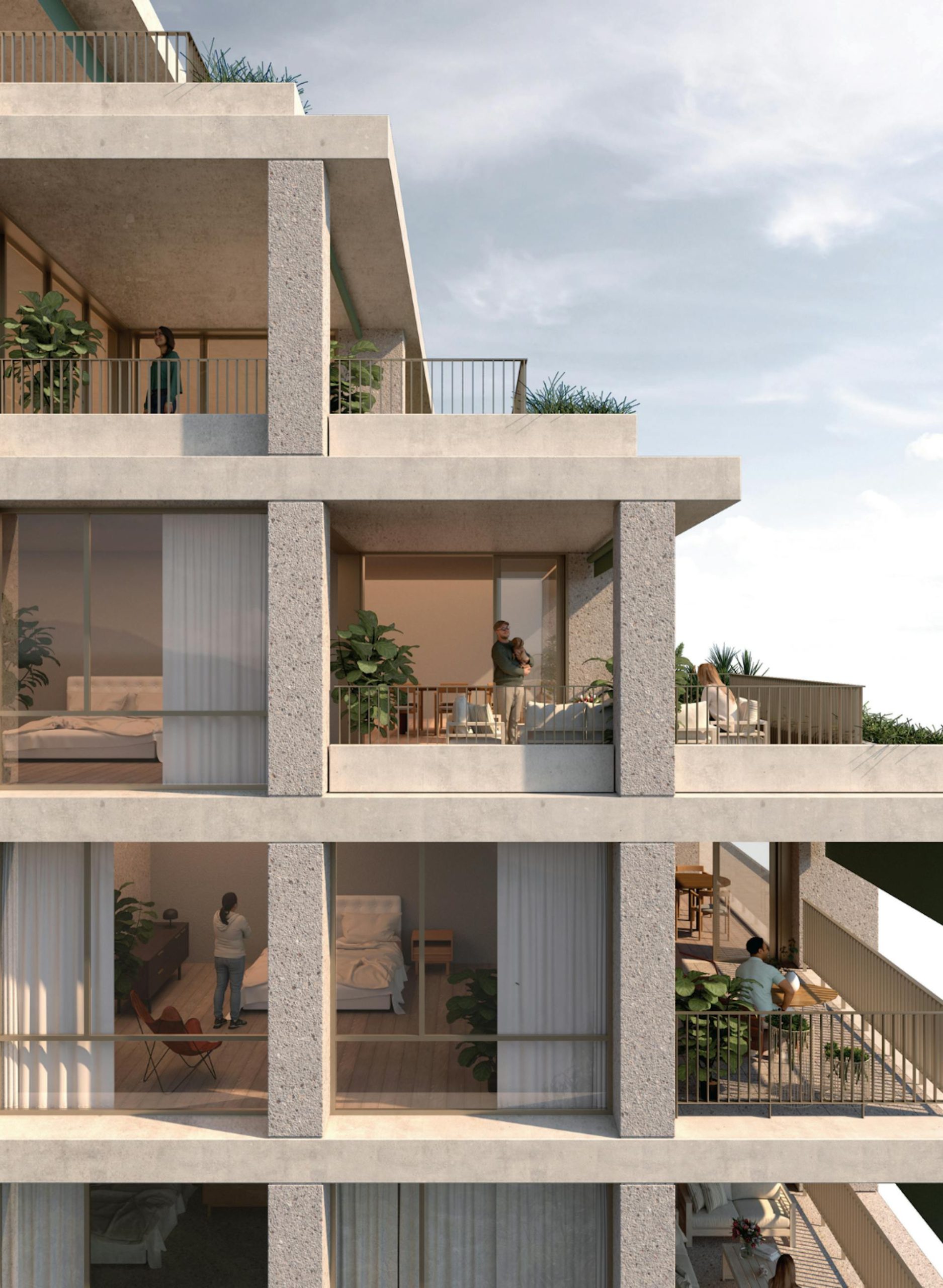
The numbers tell the story: Australasia’s rental population has grown to represent over 30% of households, more than one in three residents. With population growth surging and homeownership increasingly out of reach for many, build-to-rent (BTR) housing has evolved from an alternative asset class to becoming essential infrastructure.
As designers, we’re not just adapting to new brief requirements. We’re fundamentally rethinking what good housing looks like when optimised for long-term rental rather than sale.
The Design Brief Revolution
The shift from build-to-sell to build-to-rent changes every aspect of the architectural brief. In traditional residential development, design decisions optimise for short-term sales conversion, with buyers purchasing based on limited inspections before adapting spaces to their needs post-purchase.
Build-to-rent flips this logic. We’re designing for unknown future tenants who will live with our spatial decisions for years without the ability to renovate or reconfigure. This demands fundamentally different priorities: functionality over first impressions, durability over initial appeal, and adaptability over specification.
In practice, this means reconsidering apartment layouts to maximise storage and circulation efficiency, selecting materials that maintain performance over decades of tenancy turnover, and designing building systems for long-term operational efficiency. The best BTR projects achieve what traditional apartments often miss: spaces that genuinely support daily life across diverse household types and changing needs.

The regulatory environments differ significantly (New Zealand’s more streamlined planning processes contrast with Australia’s state-by-state variations) but both countries face similar design challenges: creating rental housing that supports diverse household types, responds to local climate conditions, and operates efficiently for institutional owners.
Melbourne’s established BTR market provides lessons for Auckland’s emerging scene. Christchurch’s compact, mixed-use developments offer models for Sydney’s constrained sites. This cross-pollination of design approaches is accelerating innovation across both markets.
“The best BTR projects achieve what traditional apartments often miss: spaces that genuinely support daily life across diverse household types and changing needs.”
Student housing demands spaces that support both study and socialisation, with acoustic separation between private rooms and activated common areas. Co-living requires flexible layouts that can adapt to changing household compositions. Land lease communities serve residents seeking homeownership feel with rental flexibility.
Each sector has evolved specific design languages, but convergence is emerging. Students increasingly consider BTR apartments when they offer better value or location. Young professionals explore co-living for affordability and community. Older renters seek purpose-built options that provide security without ownership responsibilities.
This convergence creates design opportunities for flexible typologies that can serve multiple tenant profiles without compromising the specific needs of any. We’re developing what I call “adaptive specificity”: spaces designed for particular functions that retain capacity for alternative uses as market conditions change.
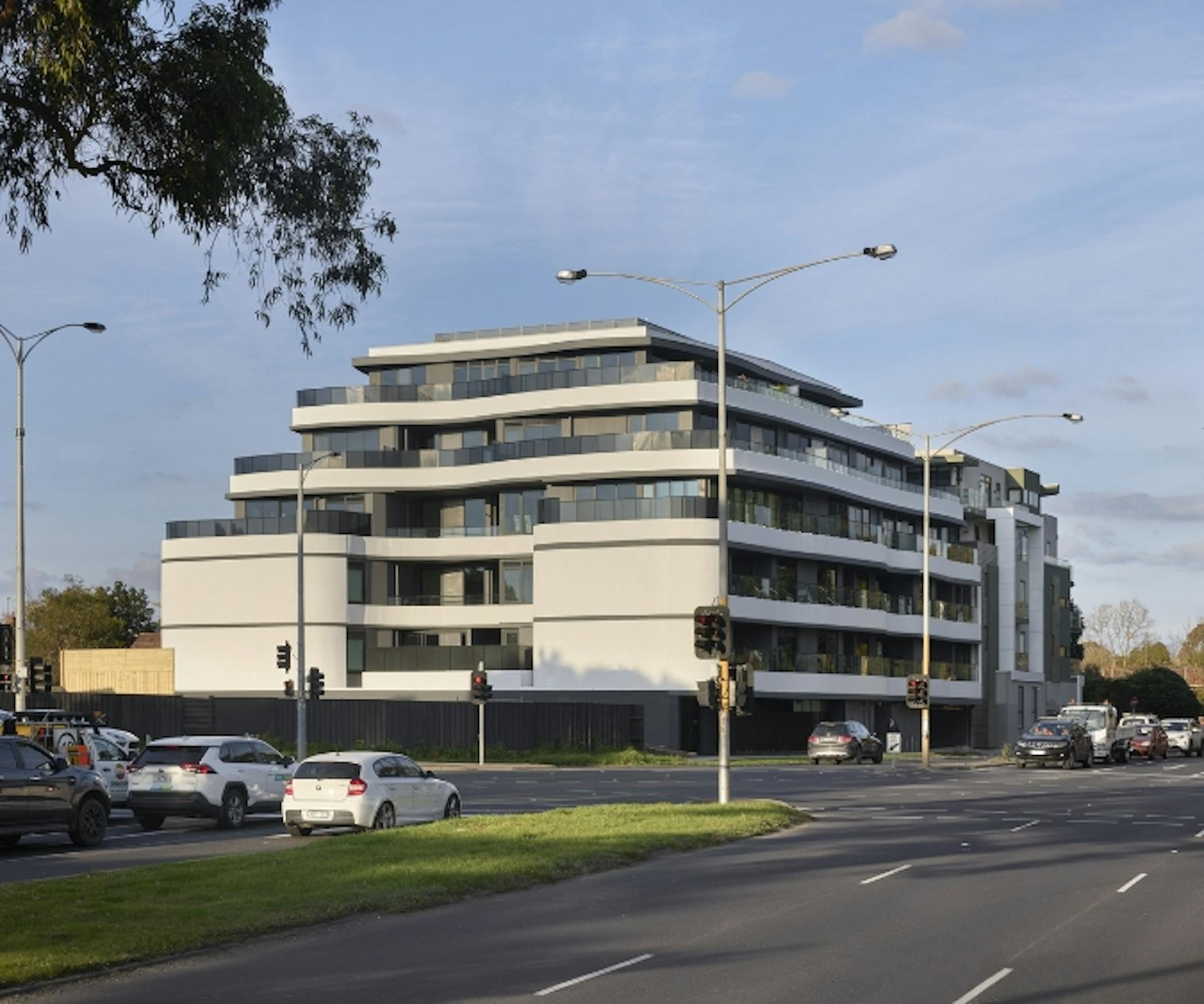
This operational focus changes material specifications, building system design, and spatial planning based on performance requirements rather than visual impact. Hard flooring becomes standard for durability and maintenance efficiency. Building systems prioritise reliability and accessibility for ongoing servicing. Apartment layouts emphasise natural ventilation and daylight to reduce long-term operational costs.
These operational parameters, when properly integrated, lead to housing that performs better for tenants while reducing costs for operators. The most successful BTR projects demonstrate that designing for long-term performance creates inherently better living environments.
“The most successful BTR projects demonstrate that designing for long-term performance creates inherently better living environments.”
This creates opportunities for substantial shared facilities: co-working spaces designed for productivity, fitness facilities specified for heavy use, outdoor areas planned for year-round activation. The focus shifts to facilities that deliver ongoing value to residents rather than spaces that impress during marketing.
Successful community design requires understanding how different tenant demographics use space. Young professionals need flexible work-from-home environments. Families require safe outdoor play areas. Older tenants value accessible gathering spaces and convenient parking.
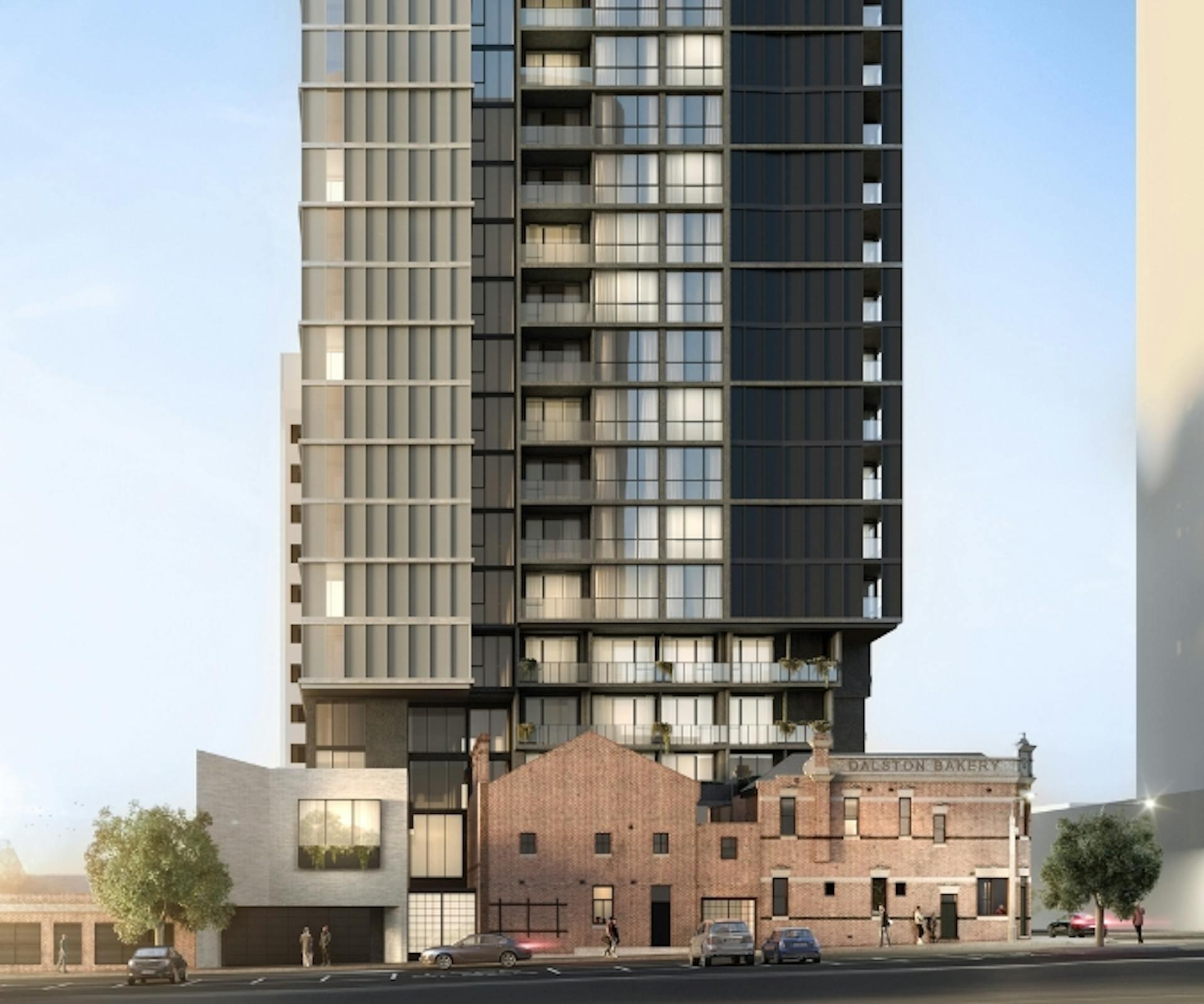
Build-to-rent’s long-term ownership model makes climate-responsive design particularly important. Institutional owners bear the ongoing costs of inefficient building performance, creating incentives for passive design strategies that reduce operational energy consumption.
This is driving innovation in naturally ventilated apartment design, passive solar optimisation, and building envelope performance. These technical considerations improve both tenant comfort and operational efficiency.
“Prefab is not a cure-all, but it could be one of the most effective tools we have for tackling housing affordability in this country. It’s a key part of the solution that offers both speed and cost savings, which are vital for increasing housing supply.”
From a design perspective, modular construction demands early commitment to spatial layouts and material selections but offers opportunities for innovation in prefabricated building systems and accelerated project delivery. The key is identifying projects where modular’s constraints don’t compromise design objectives.
Early modular BTR projects in both countries are demonstrating the potential for factory-built housing that exceeds traditional construction quality while reducing delivery timeframes. The focus is on achieving better outcomes through systematic approaches rather than cutting costs through compromise.
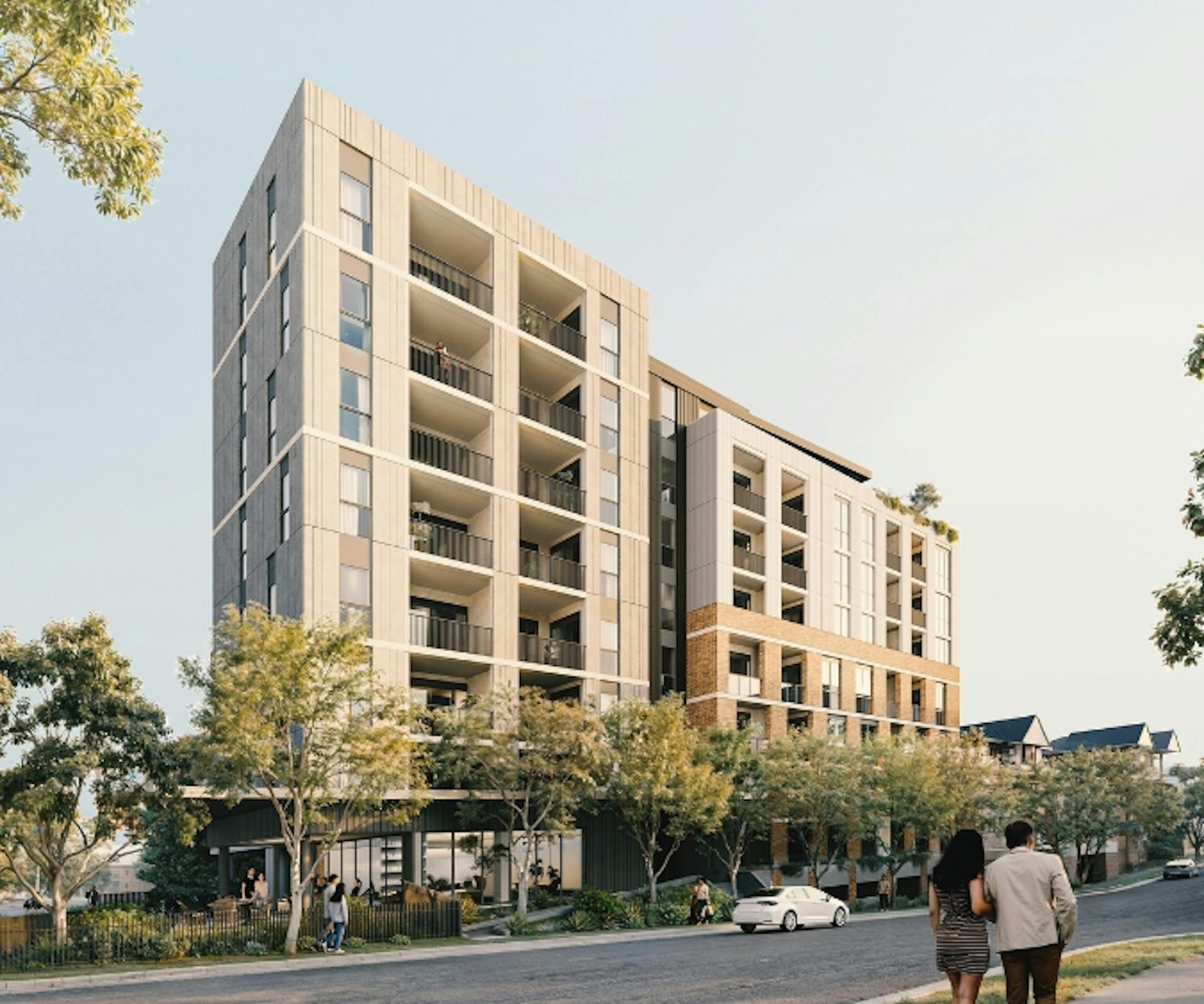
Both Australia and New Zealand are evolving their planning frameworks to better support build-to-rent, but progress remains uneven. Australian states each maintain different approaches to BTR recognition and incentives. New Zealand’s national policy directions provide more consistency but face local implementation challenges.
As designers, we work within these evolving regulatory frameworks while advocating for policy settings that enable better housing outcomes. This includes supporting planning reforms that recognise build-to-rent as distinct from traditional apartments and rezoning that enables greater housing diversity.
“Our role is ensuring this transition produces better rental housing rather than simply more rental housing. We need spaces that prove rental can offer lifestyle advantages over ownership beyond just affordability alternatives.”
What’s emerging is a distinct design language for build-to-rent that prioritises liveability, operational efficiency, and community connection. Rather than designing “lesser” housing for renters, we’re creating better housing optimised for how people actually live.
The opportunity ahead is significant. Both countries need substantial new housing supply, and build-to-rent offers a pathway to deliver well-designed, professionally managed homes at scale. Success requires continued collaboration between designers, developers, operators, and policymakers to create regulatory and market conditions that support excellent rental housing.
As architects, our role is ensuring this transition produces better rental housing rather than simply more rental housing. We need spaces that prove rental can offer lifestyle advantages over ownership beyond just affordability alternatives. The trans-Tasman shift to build-to-rent represents an opportunity to redefine what good housing looks like in our increasingly urban, mobile, and rental-oriented societies.