Co-living. The missing step in our housing system.

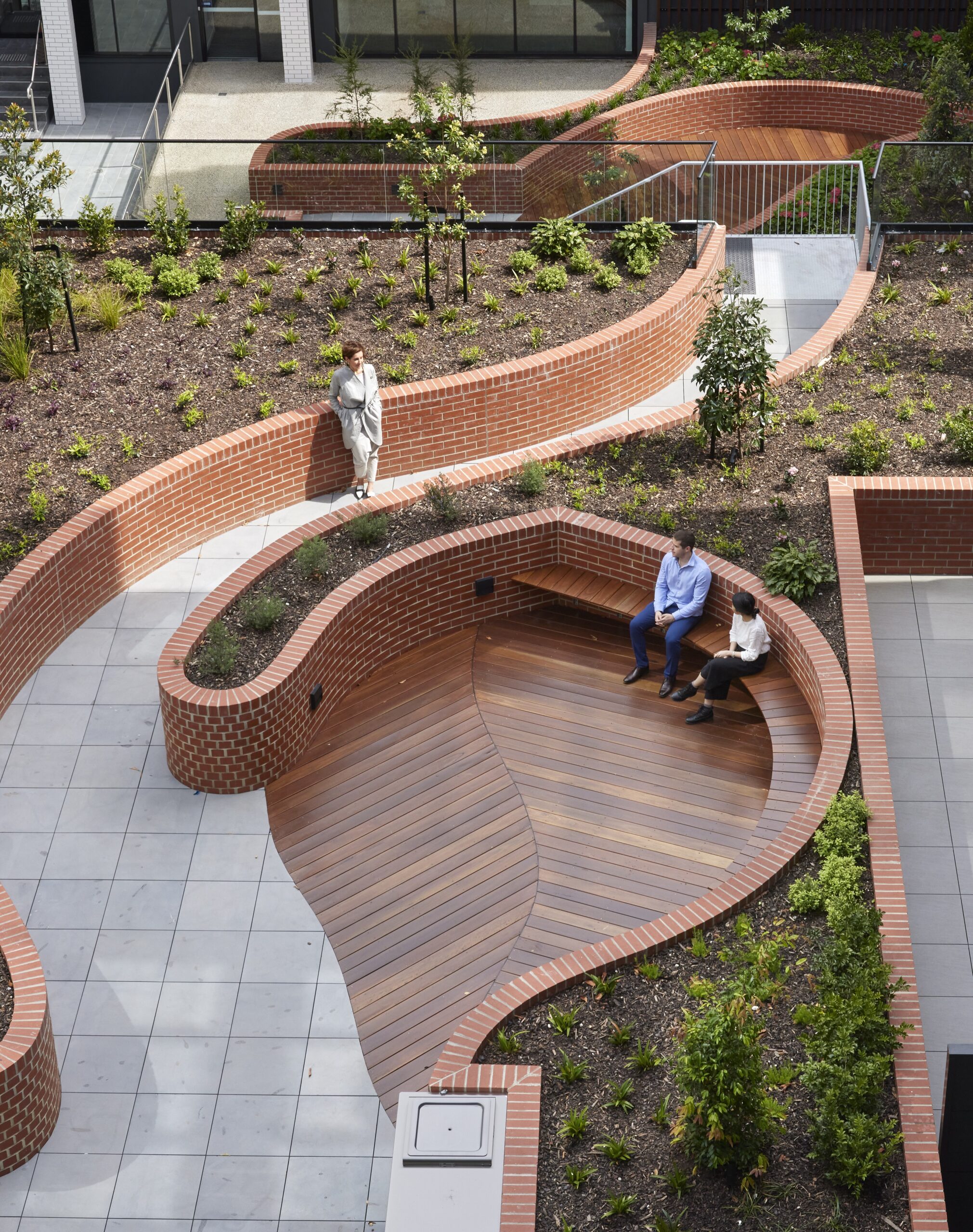
Director Ian Briggs on the step missing from our housing system, and why co-living is already filling it.
Our housing system is built around a straight line. People live at home, rent an apartment, then buy one.
Fewer lives follow it now. People move cities for work, change careers more often, leave home later and take longer to save for somewhere permanent. Some want a front door of their own without the cost or isolation of renting a whole apartment. Others arrive in a new city and want privacy and people in the same building. Between the steps we already recognise sits one we haven’t named. Co-living is starting to fill it.
Done well, co-living gives residents a self-contained home, shared spaces run by a professional operator, and a lease long enough to build a life around. The private room matters. So do the places around it to work, cook, see friends or close a door on all three. This is housing for people in transition, who want to stay a year or more and are not yet ready to commit to a conventional apartment.
The demand is there, but planning has not caught up. Our Melbourne studio six co-living feasibility studies underway, with several projects moving closer to commencement. Developers and operators are testing sites because they can see who wants to live in them.
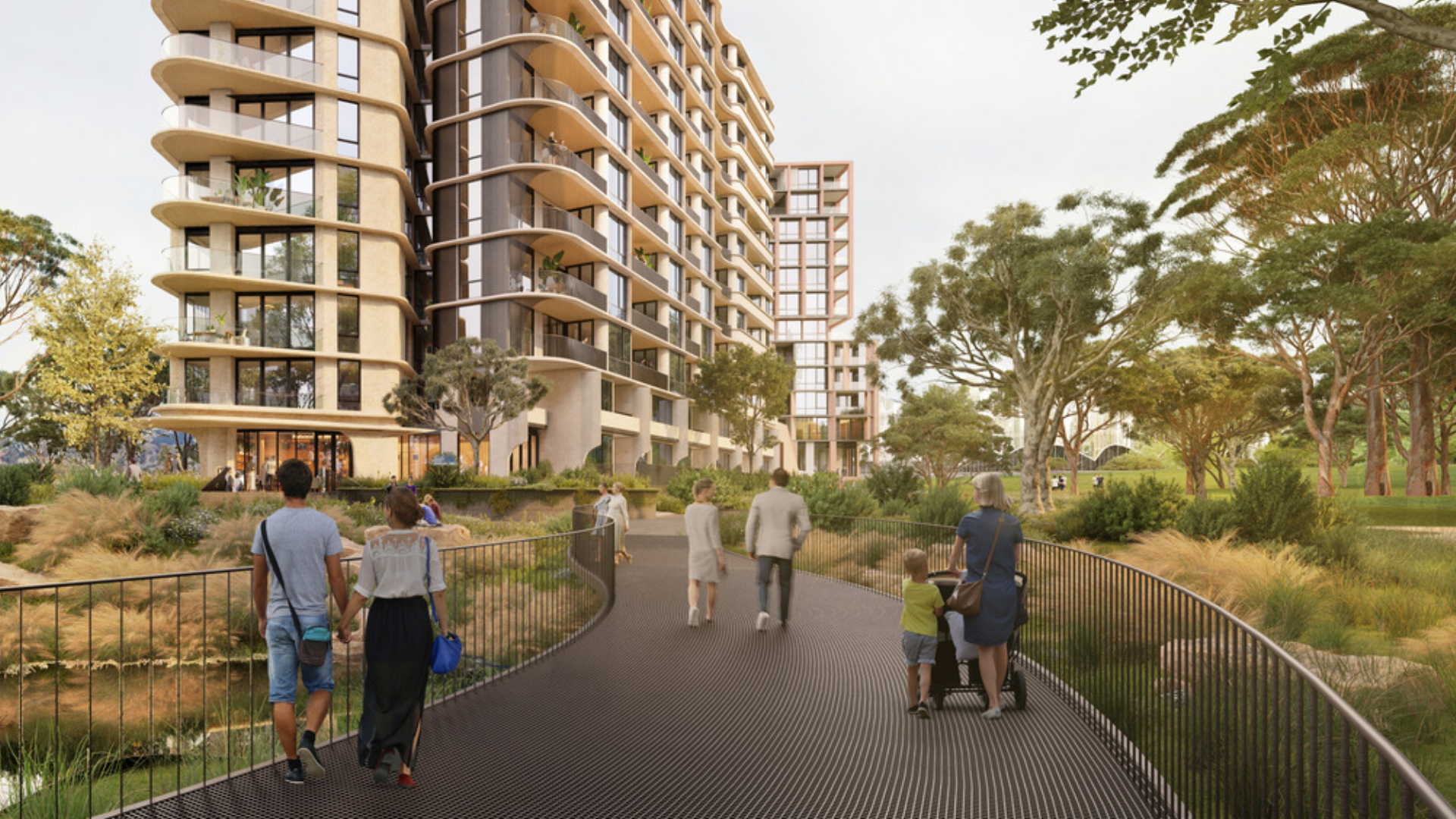
In Victoria, co-living does not sit within the planning definitions used to assess residential development. It borrows from hotels, serviced apartments, student residences and apartment buildings, and belongs fully to none. That uncertainty lands on the architect, the developer and the council alike. In a new precinct, it sits alongside the same broad spectrum rather than competing with any one part of it: student accommodation, hotels, build-to-rent and apartments for sale, each answering a different way of living.
Language is part of the problem. New housing models are often described as cheaper versions of something familiar. Early examples of modular construction met the same fate, with projects focused primarily on affordability. The method became shorthand for cheap, which distracted from how controlled, efficient and sophisticated modular construction can be. Co-living faces the same risk if we call it small apartments or student housing for adults.
A good co-living building starts with the relationship between private and shared. The more comfortable the private room, the less the shared spaces have to compensate, and the better they can be at what adults actually use them for: working quietly, cooking, seeing friends, being alone. Nobody wants to be scheduled into a manufactured version of community.
The architectural task is to make a private room feel considered rather than compressed and to give people shared spaces they actually want to use. A kitchen, a workspace, a place to gather and a place to retreat all need their own scale and mood. Done well, this builds a social layer that reconnects people without asking them to attend a compulsory community event.
“Co-living sits comfortably within the fine grain of the city, where heritage buildings, irregular sites and quirky moments offer architectural opportunities a blank canvas rarely does. For older generations too, the model can offer freedom from the weight of mortgages, possessions and upkeep, and put that energy towards experience and connection instead. The ways we live have changed, and our buildings should be interesting enough to keep up.”
Rido Pin, Director, Plus Studio, Sydney
Location carries as much weight as the floor plan. Co-living works in well-connected inner-urban areas and activity centres, where the tram, the train and the street become an extension of home.
Recognition alone will not produce good housing. Any new category needs standards behind it: the size and function of private space, the usefulness of shared amenity, daylight and outlook, how the building is run, where it sits, and what it feels like to live there across a full-term lease. Without them, density gets sold as community. With them, co-living becomes a professionally managed, long-term option for people moving between homes, cities and stages of life. It also gives us a reason to bring underused existing buildings back into use through adaptive reuse.
“The New Zealand co-living sector remains an emerging subset of the wider build-to-rent market, sitting between resident-funded cohousing communities and a first generation of commercial schemes responding to housing pressure and worker shortages in centres like Auckland and Queenstown. Local planning frameworks have no dedicated co-living classification, so developments are routinely forced through multi-unit residential consenting pathways. Developers are already chasing efficient footprints, but the broader market hasn’t matured enough to pursue co-living at scale.”
Hamish Davies, Director, Plus Studio, Auckland
The market is already moving. Residents, operators and developers are testing a model that responds to how people live now. Planning can give that model a clear framework and set the standard for good co-living before weaker versions define it.
Co-living does not replace renting, student accommodation or owning a home. It fills the step between them.