Australia can hit every number in the National Housing Accord and still get this wrong. The commitment to 1.2 million well-located homes over five years is driving planning reform and adding density across the country. But a home without childcare, health services or somewhere to gather is only half a neighbourhood, and half a neighbourhood does not hold up.
I have spent much of the past several years working alongside faith organisations, community providers and not-for-profits, including Sustainable Development Group, Sydney Anglican Property and Anglicare Sydney, together with government partners, on housing and community projects across New South Wales. Each of these organisations has stewarded land and community assets for decades, in some cases generations. As the suburbs around them change, so does what is asked of them, and what I have learned project after project is this: housing and community infrastructure only work when they are planned as one thing, not as a headline use with a supporting act underneath it. Childcare, health services, community facilities and places of worship are not amenities added once the housing numbers are locked in. They are the reason the numbers hold up over time.
That principle plays out differently depending on the organisation and the site, and the range of delivery models we have worked through says more about this than any framework could.
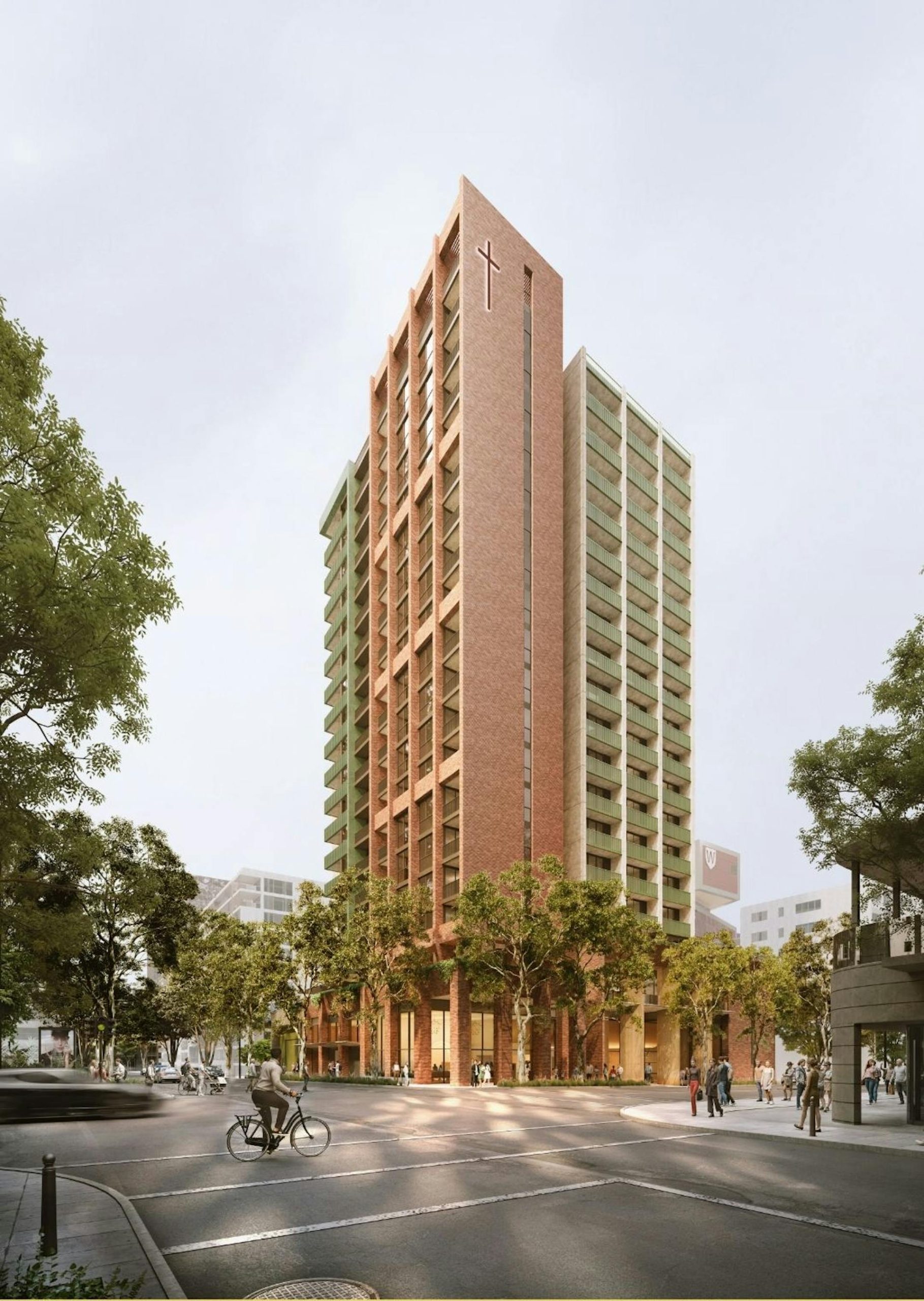
At Bankstown, working with Sustainable Development Group and Sydney Anglican Property, an established church precinct is becoming a mixed-use neighbourhood of affordable housing, childcare, ministry, retail and community facilities. The project is as much about strengthening Sydney Anglican Property’s capacity to serve its community for the next fifty years as it is about the buildings themselves.
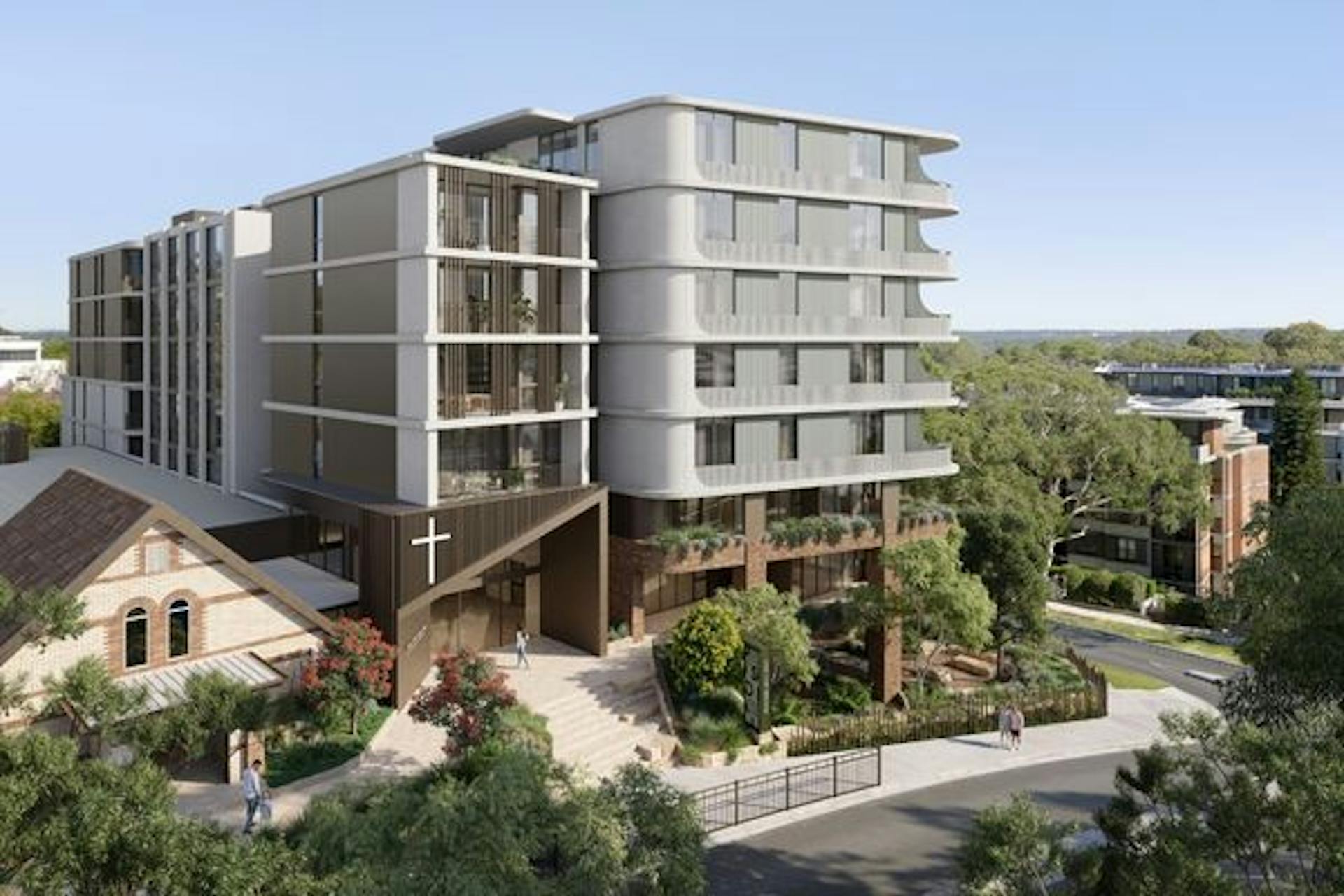
At Lane Cove, again with Sydney Anglican Property, the commercial model flips. Private residential development is not the outcome here. It is the mechanism, the thing that funds and renews the community infrastructure sitting alongside it.
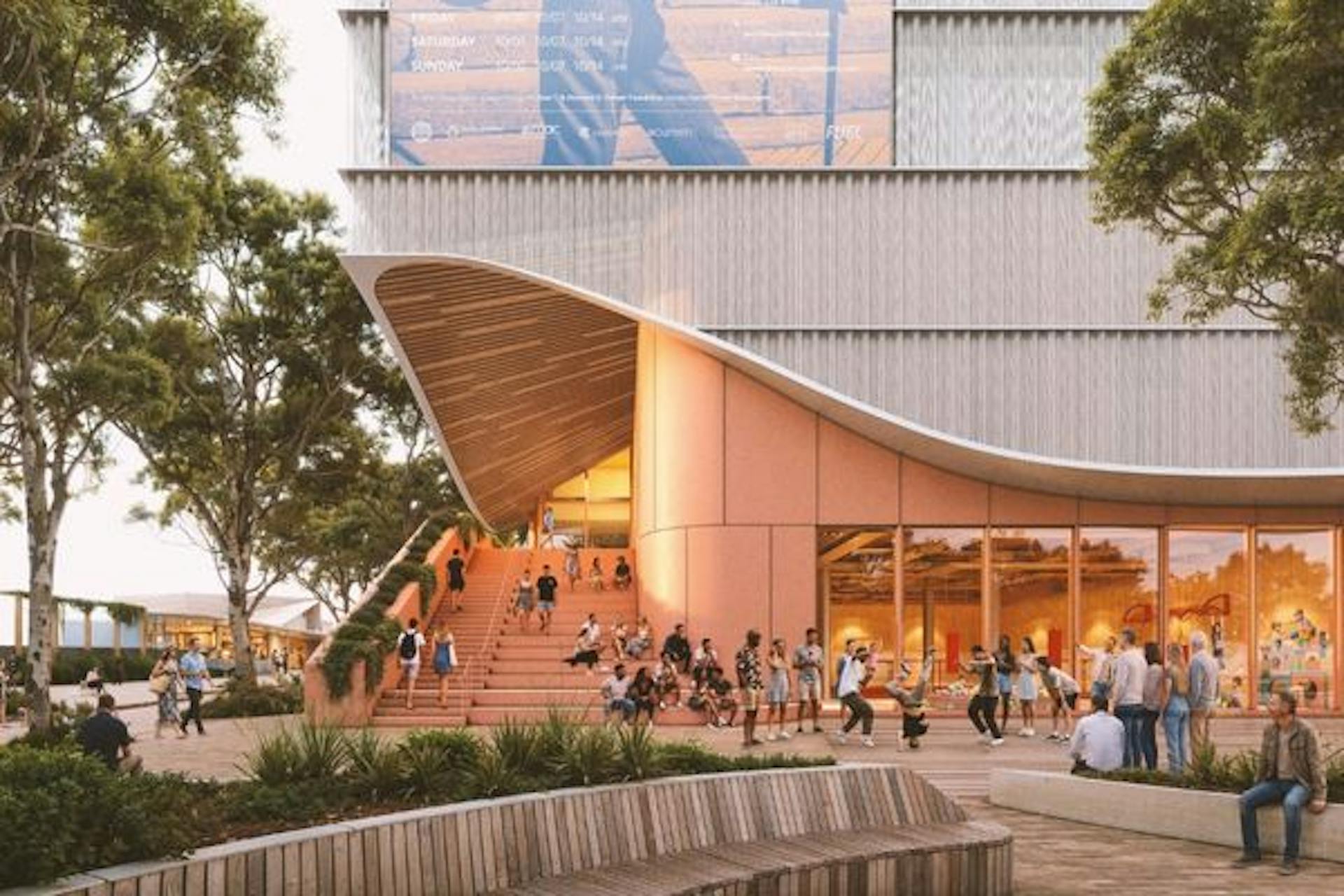
Mount Druitt, developed with the Salvation Army and Sustainable Development Group through the WestInvest program, has moved with its funding. As government priorities shifted, the project adapted with them, folding in affordable housing alongside civic and cultural facilities without losing sight of its original community purpose.
And at Regents Park, delivered with Anglicare Sydney, the lesson is a simpler one: affordable housing that includes shared outdoor space and community facilities does not just house people, it gives them somewhere to run into each other. That everyday interaction is not a nice-to-have. It is what makes a place resilient.
Working across this typology for as long as we have has given Plus Studio something beyond design experience. It has given us a body of proven approaches to planning, apartment layouts, circulation, community interfaces, and buildability that carry across from one project to the next, which we call our Kit of Parts. The value of that is not the framework itself. It is what the framework frees up.
When the basics of a housing and community precinct are already solved, more of our time goes into the part of the project that is actually specific to that community, its site, its constraints, its ambitions. That is where the design effort should be spent, and it is why organisations tend to come back to us for the next project rather than start again from a blank page.
Meeting the housing target is the part everyone is watching. The harder, less visible task is building neighbourhoods that still work in twenty years the way they do on opening day, and that is not something a housing number was ever going to measure.