Melbourne’s empty offices are an opportunity. We built a tool to find them.

Plus Studio

Melbourne’s empty offices are an opportunity. We built a tool to find them.
Insights 01 May 2026
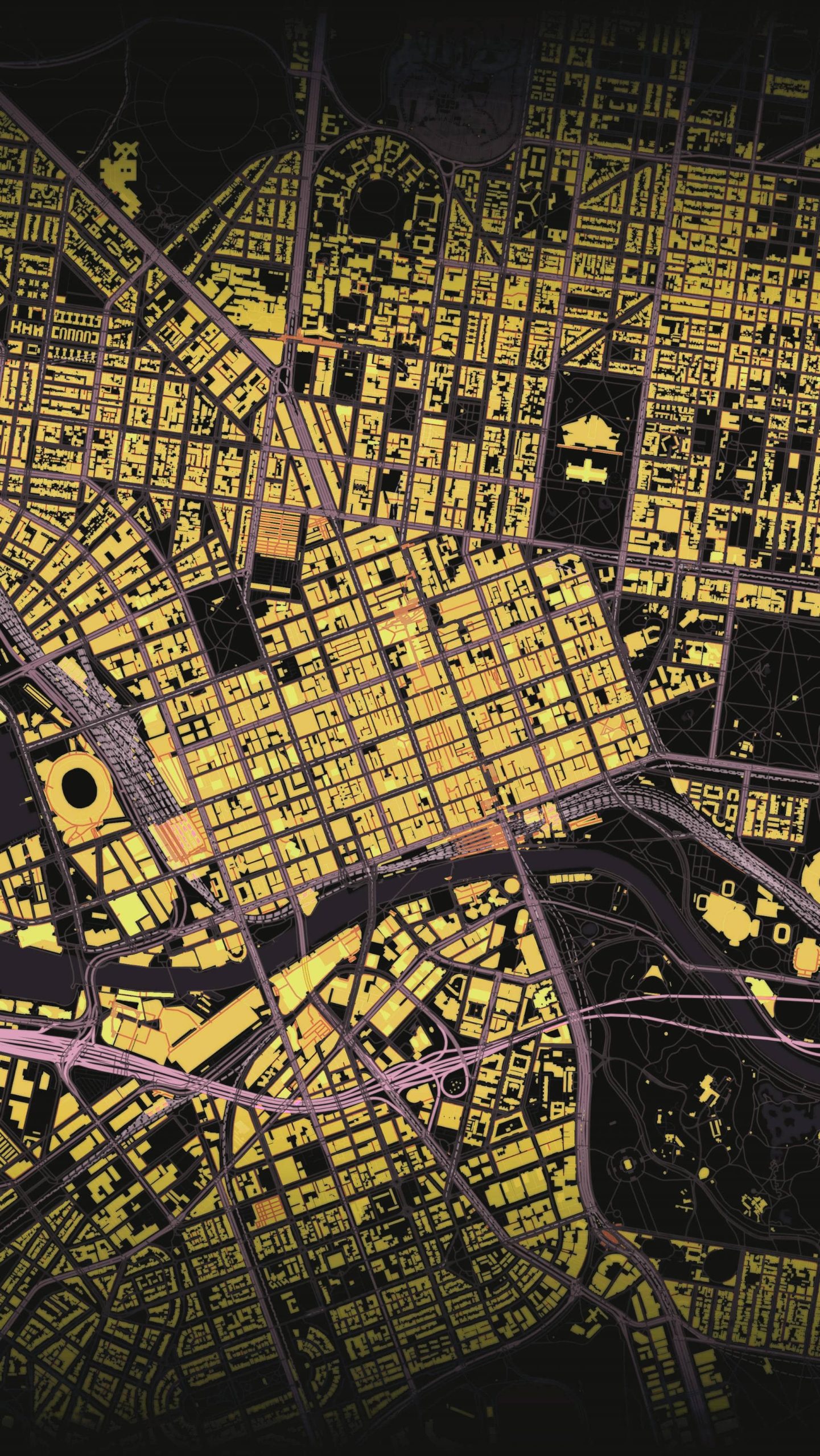
Melbourne’s CBD has a vacancy problem. Office space sits empty at 19 percent, the highest rate in the country, and the gap between what that data suggests is possible and what is actually getting off the ground remains wide. The opportunity is there, but the intelligence layer to act on it has been missing.AdaptAbility is Plus Studio’s answer to that gap.The use of AI has allowed Plus Studio to develop AdaptAbility in a way that would have been previously impossible. The platform draws on live data and our decades of hands-on adaptive-reuse experience in Melbourne to evaluate not only whether a building can be converted, but what residential outcome it is best suited for.

Existing research has identified around 85 to 90 buildings in Melbourne’s CBD as viable conversion candidates. AdaptAbility points to a significantly larger pool, suggesting the city’s adaptive reuse potential has been materially underestimated.The policy framework is in place. The City of Melbourne’s Retrofit Melbourne Plan has set the direction, and globally the momentum is building. In the United States alone, more than 70,000 apartments were converted from office buildings in 2025. In Melbourne, the question is no longer whether adaptive reuse is viable. It is which buildings, and where to begin. The case for adaptive reuse reinforces the urgency: the most sustainable building is one that already exists, and keeping good buildings in use avoids the embodied carbon cost of demolition and rebuilding from the ground up.For developers, that question has traditionally been expensive to answer. Testing a site, reading a neighbourhood and understanding what a building can genuinely hold takes months before a deal can be properly assessed. Good sites get missed. Time gets spent on projects that do not stack up. AdaptAbility changes that. What once required months of preliminary investigation can now be assessed in a fraction of the time and at a city-wide scale, giving developers a clear read on which buildings are worth pursuing before committing to due diligence.

“Initial analysis is already challenging long-held assumptions about the scale of adaptive reuse opportunity in Melbourne. The issue is not a lack of opportunity. It is knowing where it exists and how to unlock it.”

Ian Briggs, Director, Plus Studio
Plus Studio Digital Innovation Specialist Michael Khoo said the tool is built on the practice’s accumulated expertise in adaptive reuse, not as a replacement for professional judgement but as a faster and more informed starting point.”Initial analysis is already challenging long-held assumptions about the scale of adaptive reuse opportunity in Melbourne. The issue is not a lack of opportunity. It is knowing where it exists and how to unlock it,” says Plus Studio Director Ian Briggs. “That early clarity is what opens the door to a more grounded conversation about how to make a project happen.”AdaptAbility is already being used by Plus Studio to support private developers and inform discussions with the City of Melbourne. Plus Studio’s track record in adaptive reuse includes Swann House and Invicta House on Flinders Lane for ST Real Estate, 623 Collins Street for Sterling Global, and several others currently in progress.Developers interested in exploring how AdaptAbility can assist them are invited to get in touch.

Connect with Ian
Discover more articles projects
from Ian
Explore