What Luxury Looks Like Now: The Rise of Hyper-Personalised Living

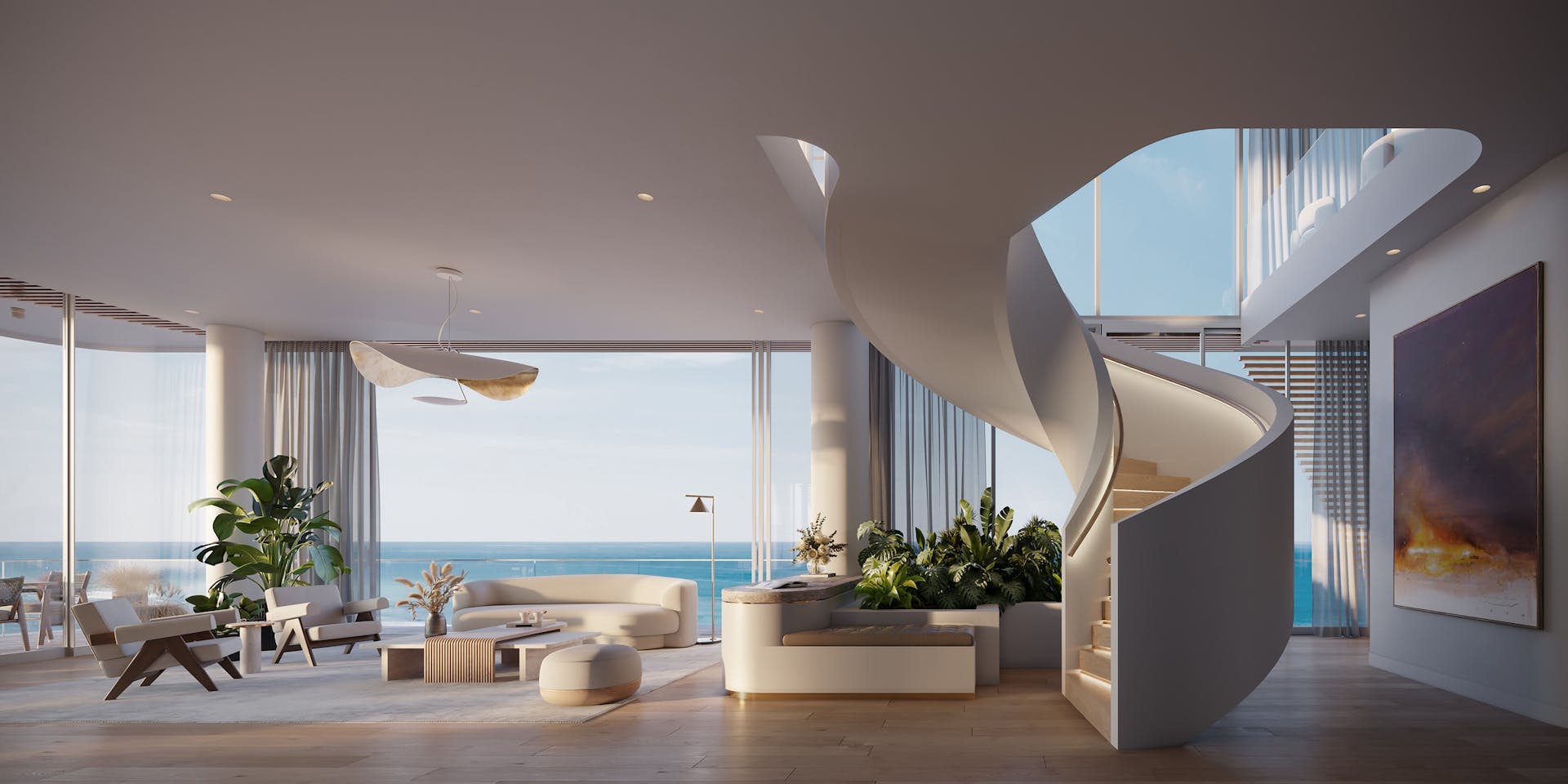
The buyer, an international figure in the technology industry, did not come to us with a wish list of finishes. They came with a life. A way of moving through their day. A set of values and rituals they wanted embedded in the architecture. We designed three levels around that life: 360-degree views framed with intention, a sculptural spiral staircase as the building’s centrepiece, a private rooftop pool positioned for the moments that mattered to this particular person. None of it was specified off a list. It was designed from scratch, for one person, by us.
That is what luxury looks like now. Not a price point. Not a prestige address. A home that could only ever have been made for one person.
To understand why this shift has happened, it helps to look at what has become of luxury more broadly.
Status has always worked through scarcity: the thing that most people cannot have. For most of the twentieth century, that scarcity was physical. A Birkin bag. A particular car. A penthouse at a particular address. These objects were expensive, rare, and visible. They communicated something.
Social media has done something irreversible to that logic. Physically scarce objects have become culturally ubiquitous. You can scroll past a thousand images of the same bag, the same car, the same interior finish, without spending a cent. The mystique evaporates. The object becomes wallpaper. You can see it in the beauty industry too, in the rise of Instagram face: a homogenised aesthetic optimised for two dimensions, replicated at scale until it meant nothing. Anything that can be compressed into an image has become, in effect, common.
The research is catching up to what we are already seeing in practice. Collinson International’s 2025 Asia Pacific Consumer Happiness Report, which surveyed more than 4,000 consumers across eight markets, found that eight in ten now look to brands not for products, but for what the report calls a ‘transformation economy’: experiences that nurture connection, inspire personal growth, and bridge the gap between the lives people have and the lives they want. Experience has become the primary currency. Not the object.
So the question becomes: what cannot be photographed? What cannot be replicated or scrolled past or made algorithmically abundant? The answer is experience. And more specifically: a life that has been designed, with precision, around the person living it.
That is where architecture and interiors come in.
In our work across luxury residential, from penthouses on the Gold Coast to bespoke homes along Queensland’s coast, we have watched the nature of the brief evolve in real time.
Where clients once arrived with reference images and material selections, they now arrive with questions about how a home will function around their life. What time do they wake? Do they cook, or host? Is the pool for exercise or evenings with friends? These are not small talk. They are the brief.
The answers shape everything: where light lands, how the plan flows from private to social space, which rooms earn the best outlook. Interiors follow the same logic, not a single palette applied across the whole, but a spatial and material language that responds to how each room is actually used.
We have designed homes organised around a wellness courtyard: sauna, plunge pools, gym, and recovery spaces at the centre, with the rest of the house radiating outward. The owner is an athlete. Recovery is not an amenity. It is the logic of the building. This tracks with something broader.
The same Collinson International report found that health and wellbeing benefits rank among the top experiential rewards people actively seek, cited by 18% of respondents, ahead of status perks and ahead of entertainment. What we notice, across this kind of work, is that clients are increasingly reaching for something that goes beyond aesthetics. They want environments that actively support how they feel, with spaces that work with natural light, airflow, material warmth, and greenery not as decorative choices but as functional ones. The brief is often intuitive rather than articulated. They know they want to feel a certain way in their home. Our job is to translate that into architecture and interiors that deliver it.
That home could not exist for anyone else in quite the same way. That is entirely the point.
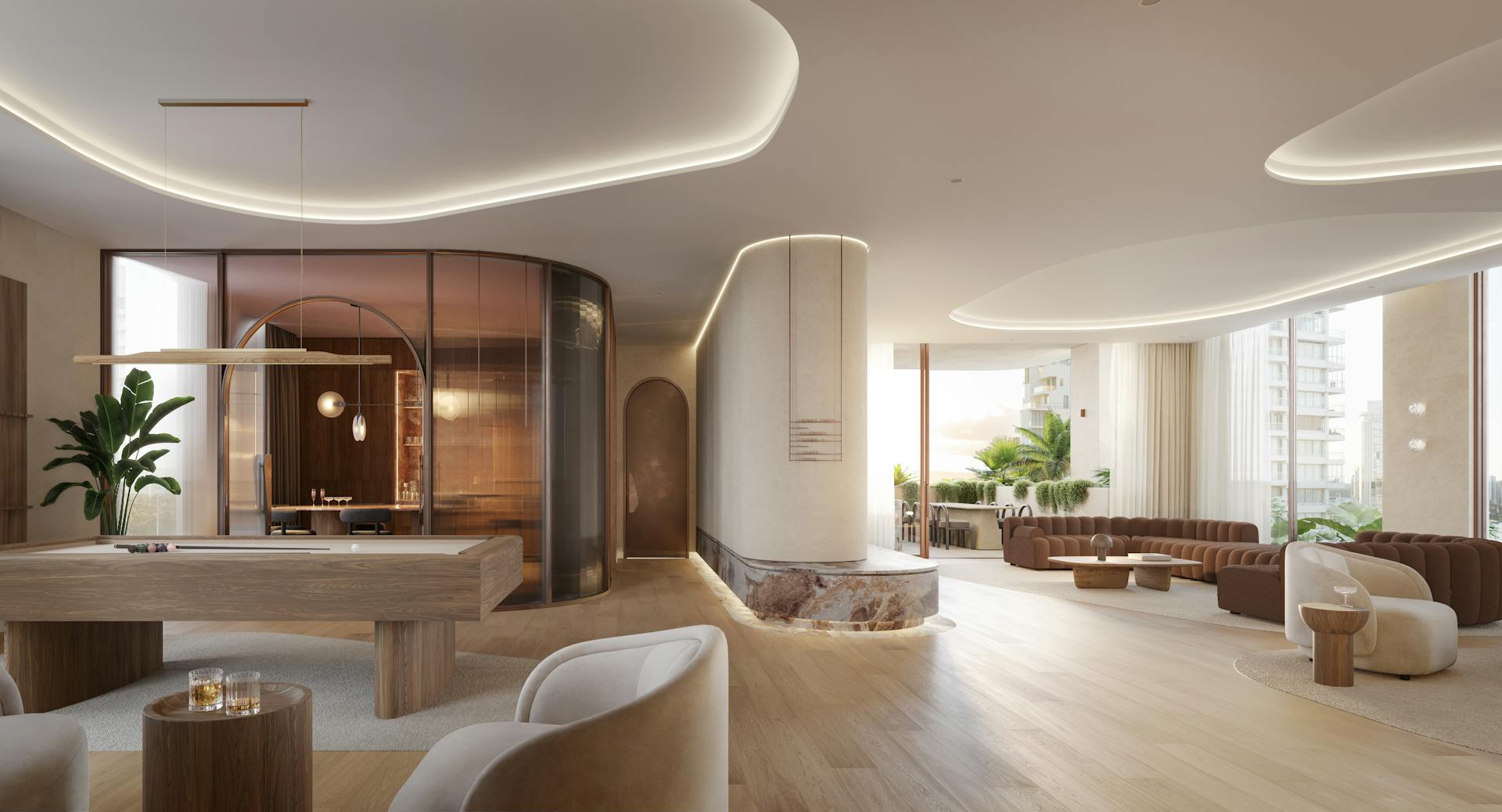
There is a reason this shift is particularly visible in Queensland. The climate demands specificity. Subtropical heat, humidity, and coastal rhythms mean a home cannot be a generic product placed onto a site. Every shading device, every operable wall, every indoor-outdoor threshold must be calibrated to that particular piece of land, for that particular way of living.
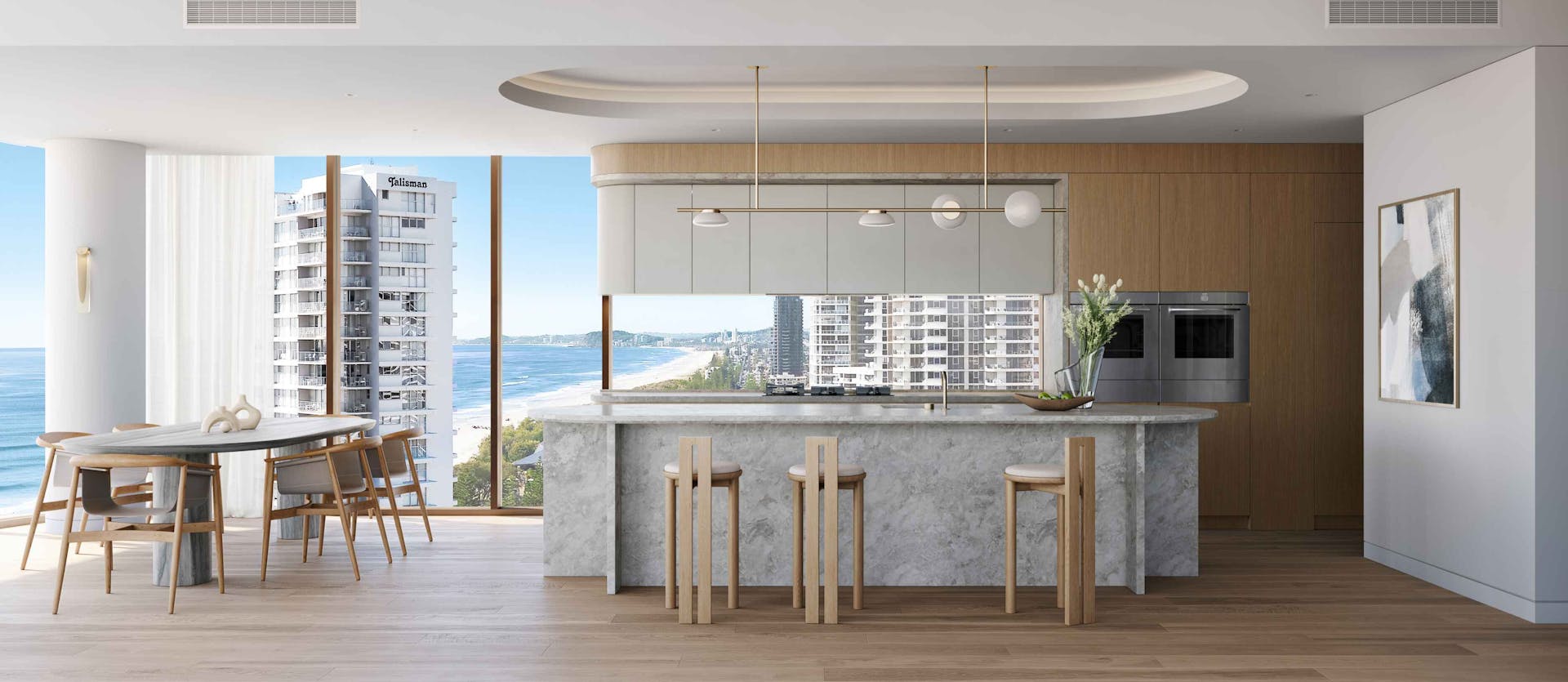
At FARO in Broadbeach, the record-setting penthouse brief was never about price. It was about creating something unrepeatable: panoramic views, generous outdoor living, interiors refined around one owner’s specific life. At Holm in Rainbow Bay, the same logic at a more intimate scale produced one of the most valuable apartments per square metre in the southern Gold Coast, not because of its size, but because of its singularity.
Singularity is the operative word. These are not products. They are not selections from a range. They are outcomes of a design process that began with a person and ended with a home that could only ever have been theirs.
A project located on beachfront Gold Coast takes this furthest. What began as a build-to-sell brief across four beachfront levels became a private family compound: four residences, each calibrated to a different life. The parents occupy a three-level penthouse with a 25-metre rooftop lap pool. Their adult children each have their own apartment below, finished to the same standard but planned entirely around how each of them actually lives. Four homes. One building. Proximity without compromise.
The brief also introduced something we had not encountered in quite this form: separate ensuites off the main bedroom, designed to completely different standards. His was precise and minimal. Hers included a dedicated salon and walk-in wardrobe, purpose-built to receive beauty and hair consultants without those consultants ever entering the private spaces of the home. Then there was the security: every vehicle entry passed through a controlled lobby where the resident could survey the space, close the outer gate, and only then proceed. The perimeter fencing was detailed to remove every foothold. And yet the home felt open, light, and free. No bars. No fortress. Privacy is the last luxury, and the best privacy is the kind you never notice.
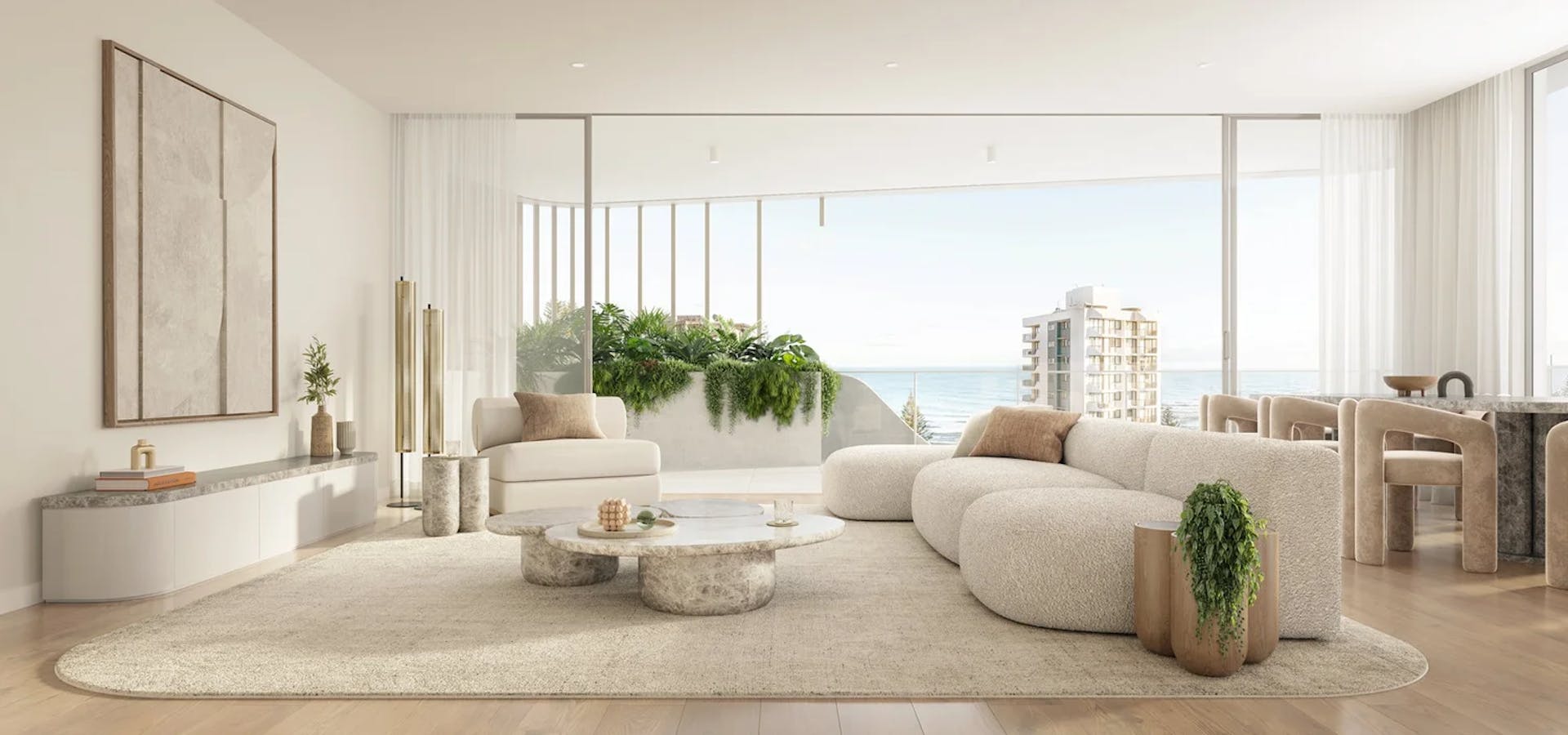
Interior design has always understood that spaces are felt as much as seen. But what’s next for luxury is demanding this understanding at a much deeper level.
Bespoke craftsmanship is returning, not as nostalgia, but as necessity. When the status signal is no longer the brand name on the finish but the fact that the finish was designed for this room, this person, this life, mass-produced luxury becomes a contradiction in terms. We are seeing clients move away from recognised names and toward things that cannot be recognised at all, because they have never existed before. A staircase conceived around a specific art collection. A kitchen designed around how someone actually cooks. A facade shaped by a site’s precise relationship to afternoon light. T
echnology, integrated well, deepens this. A home that learns its owner, adjusting light, temperature, and air quality to their presence and habits, is not a smart home in the gadget sense. It is a home thought through at every level, so the experience of living in it is seamless and particular to the person it was made for.
The shift from visual to experiential luxury is not a trend. It is a structural change in what status means, driven by a media environment that has made almost everything visible, and therefore ordinary.
What resists that ordinariness is a home conceived around one life. You cannot post the feeling of a recovery space built for your exact routine, or a bedroom positioned to catch the light at the hour you actually wake. These things exist in three dimensions, for one person, and nowhere else.
For us, working across architecture and interiors, this is the most demanding and most rewarding kind of practice. Every project is a prototype, made once, never repeated. The process asks more of everyone: more listening, more iteration, more genuine collaboration with the person whose life we are designing for.
The outcome is a home that could only ever have been yours. In 2026, that is what luxury actually means.
See how this thinking comes to life in our residential work across the Gold Coast.